Bikepacking
Iceland Tour
Contributed by Jaska Halttunen
Iceland
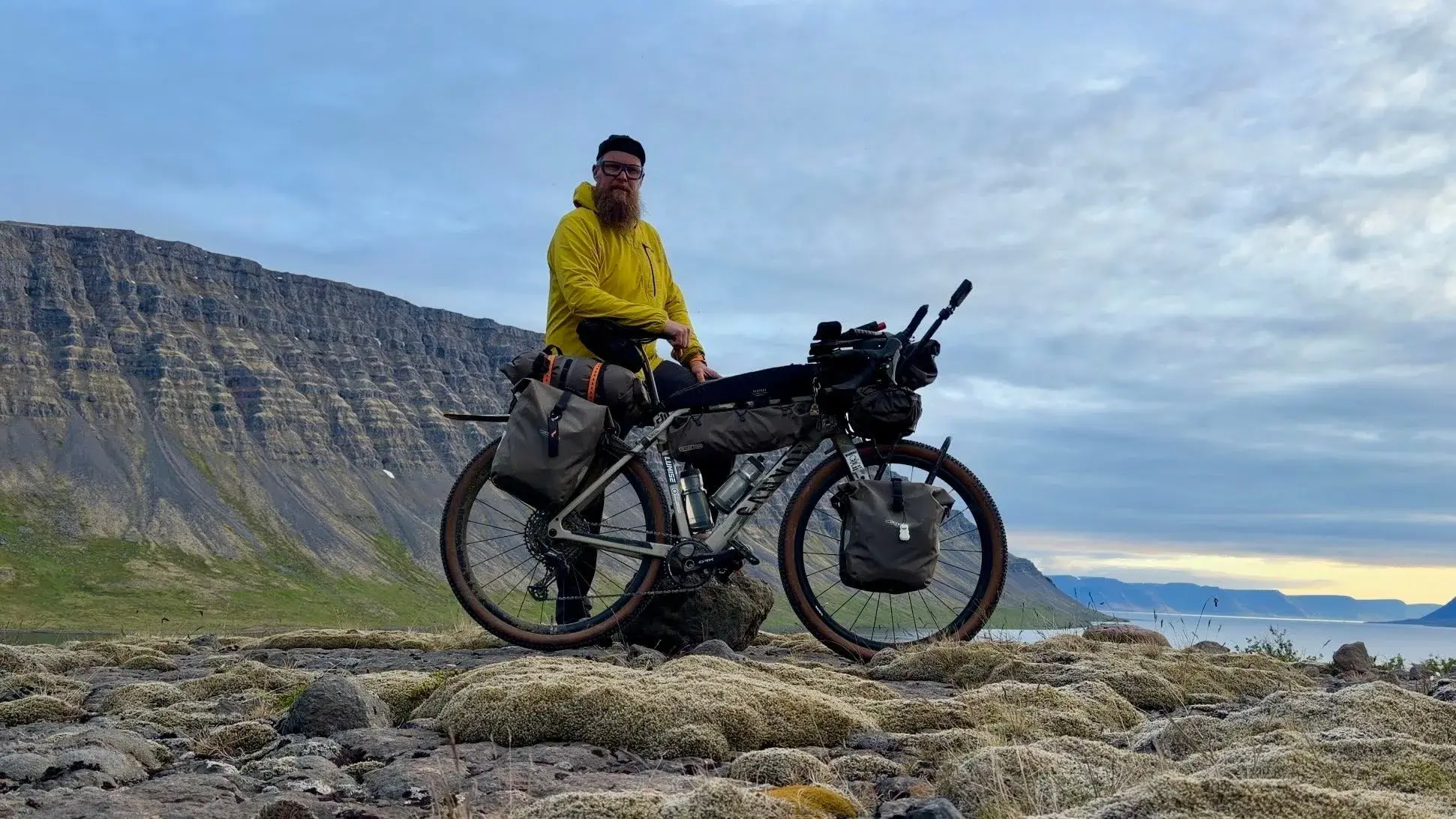
A 31-day solo bikepacking expedition covering 2,358 kilometers and 24,000 meters of climbing around the Westfjords and across the rugged highlands of Iceland.
- Days
- 31
- Distance
- 2358
- Stages
- 6
Also found on Retkipaikka - Jaska Halttunen
Also found on YouTube
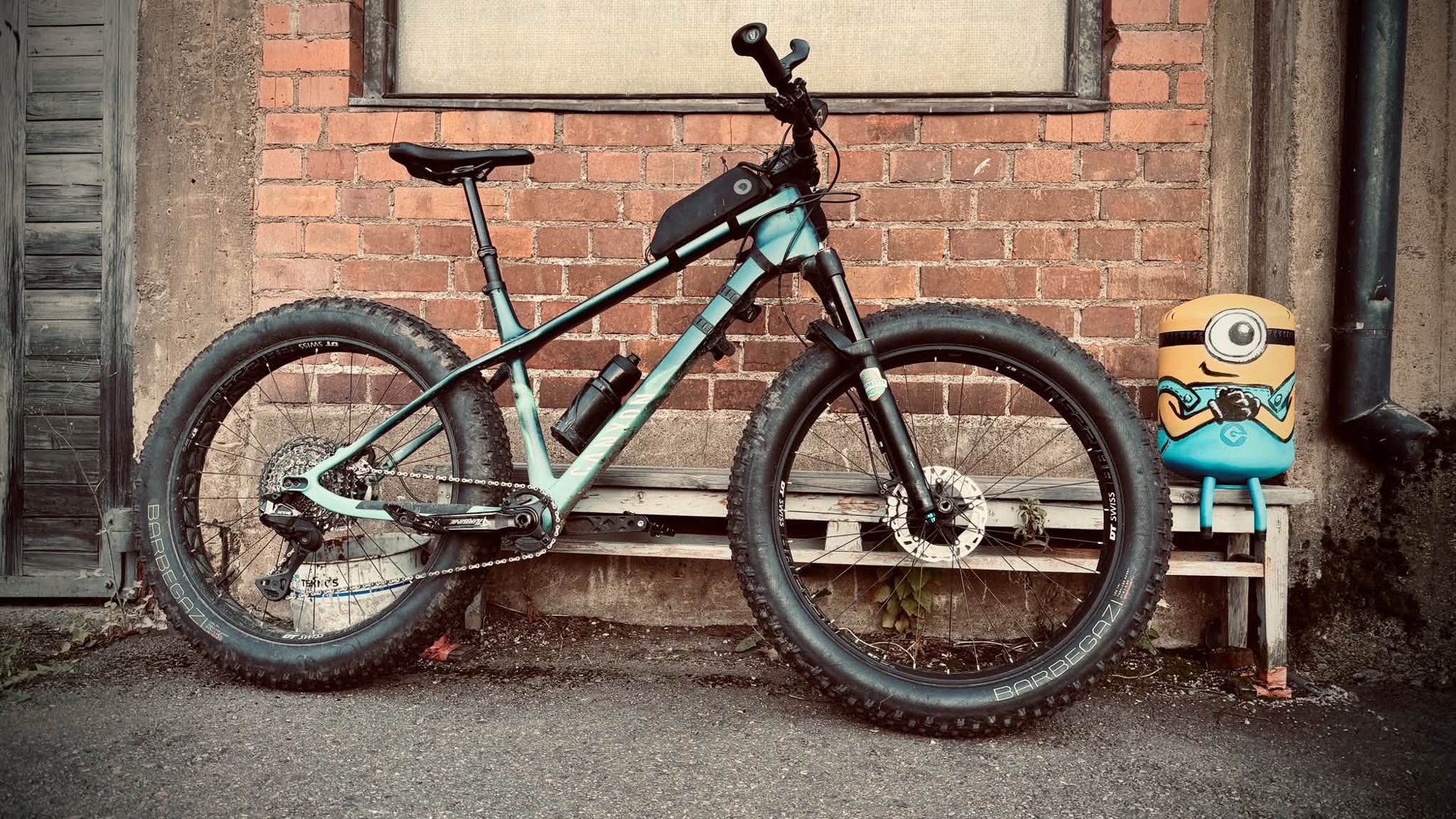
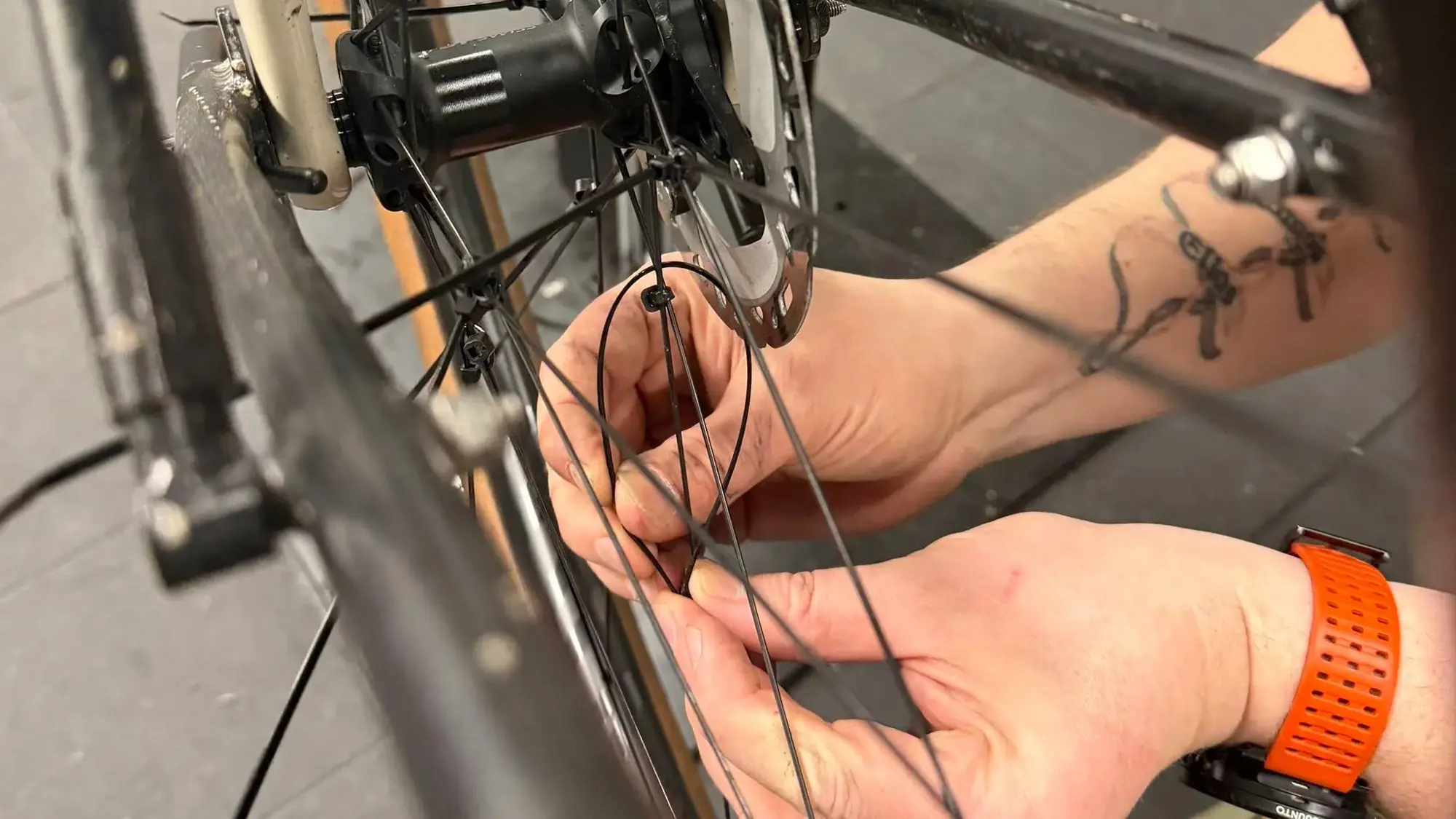
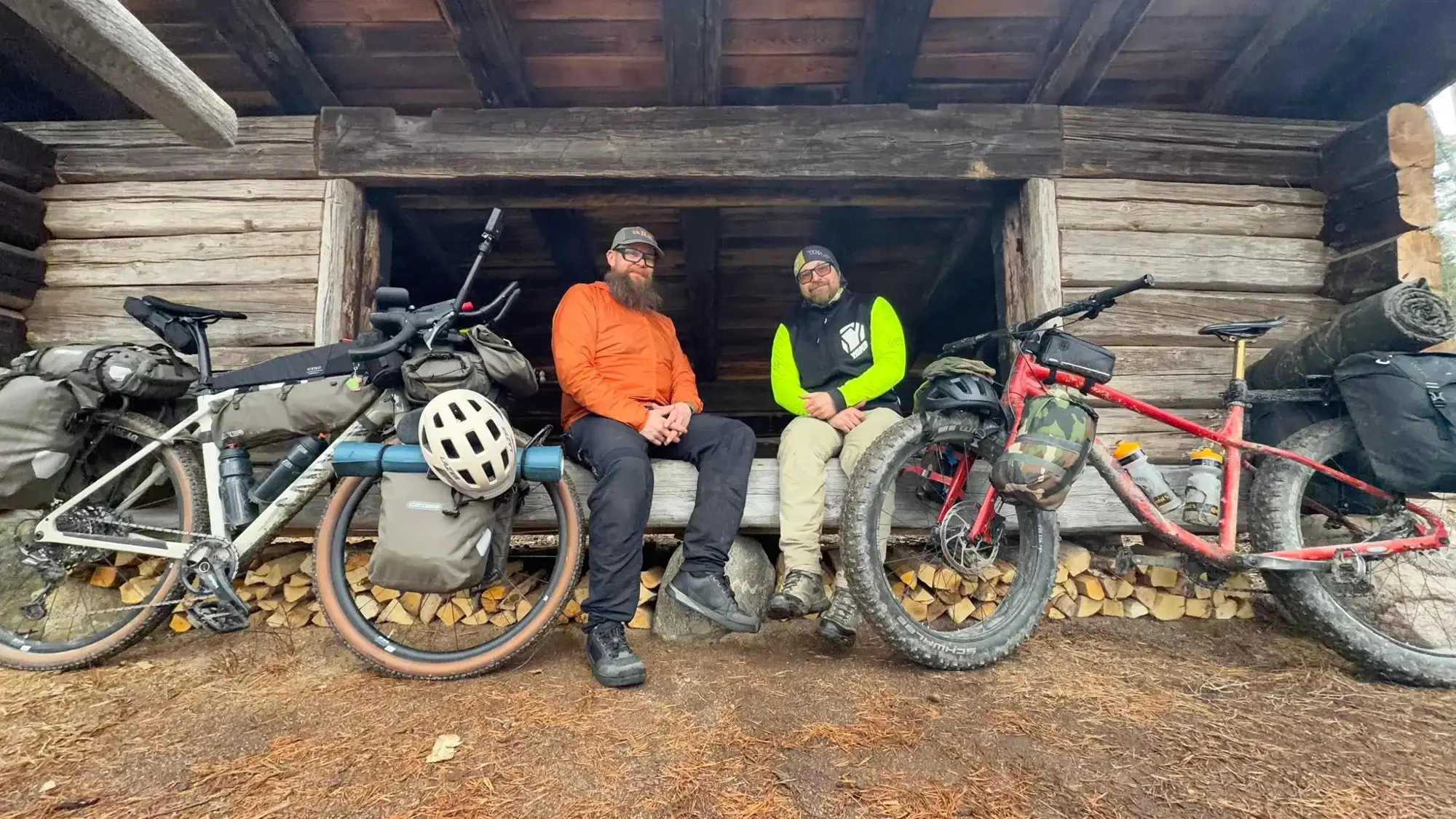
Before heading to Iceland, I tested my bike and setup thoroughly during an Easter gravel ride through Karkkila, Pusula, Tammela, and Loppi, as well as at Canyon Fest in Turku, where the wheel spokes were tied and reinforced to handle heavy loads. The expedition itself was a 31-day, 2,358-kilometer bikepacking adventure around and through Iceland, taking on the fjords, the rugged interior highlands, and approximately 24,000 meters of climbing. My aim was not merely to tick off distance, but to experience the route fully, amidst volcanoes, sweeping gravel roads, and changing northern weather.
TRAILER: Islannin ympäri ja halki 31 päivässä (Tour De Iceland) SUBTITLED - osa1: Kohti Länsivuonoja
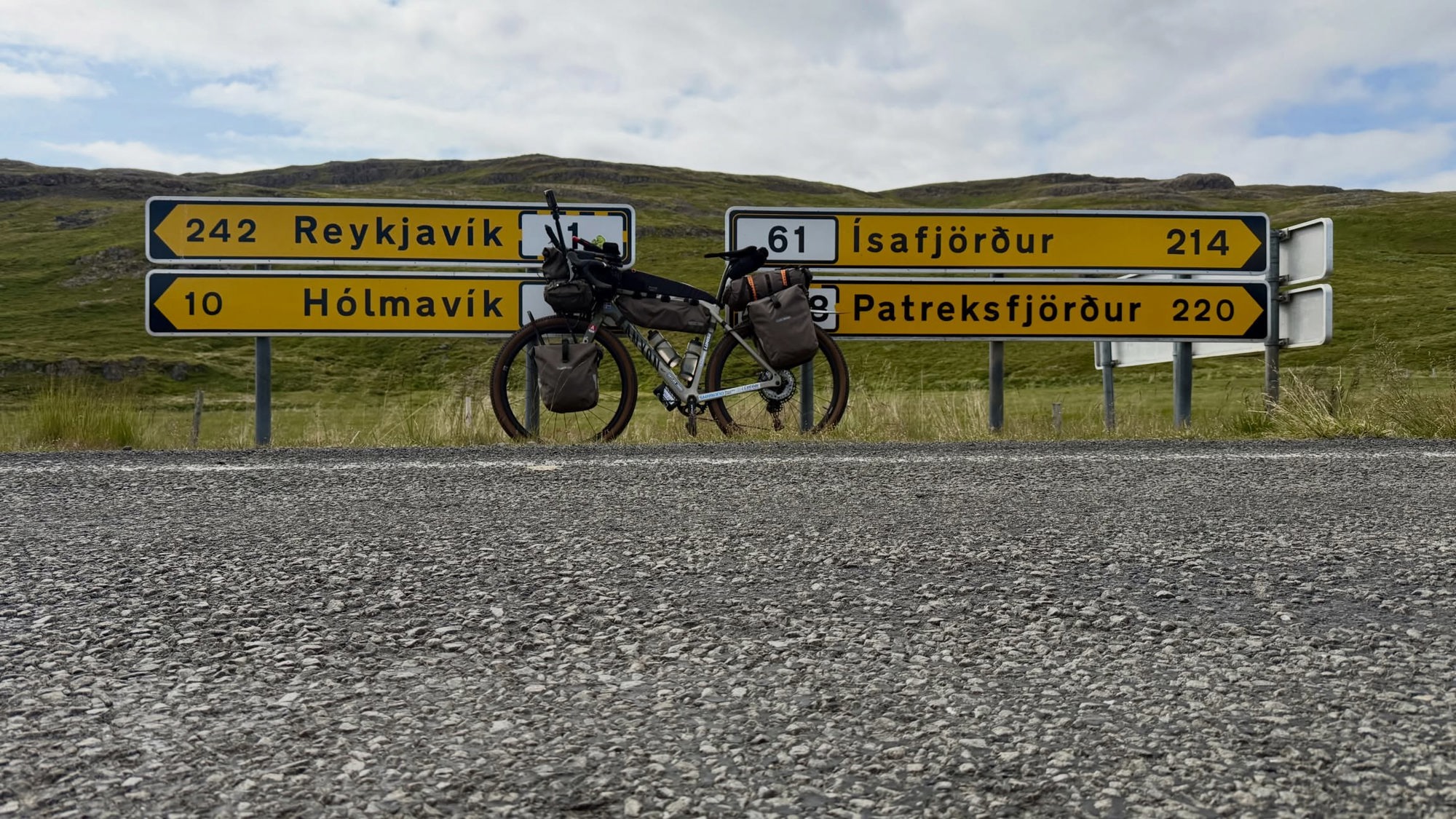
Stage 1: Keflavík to beyond Reykjavík
- Distance
- 90
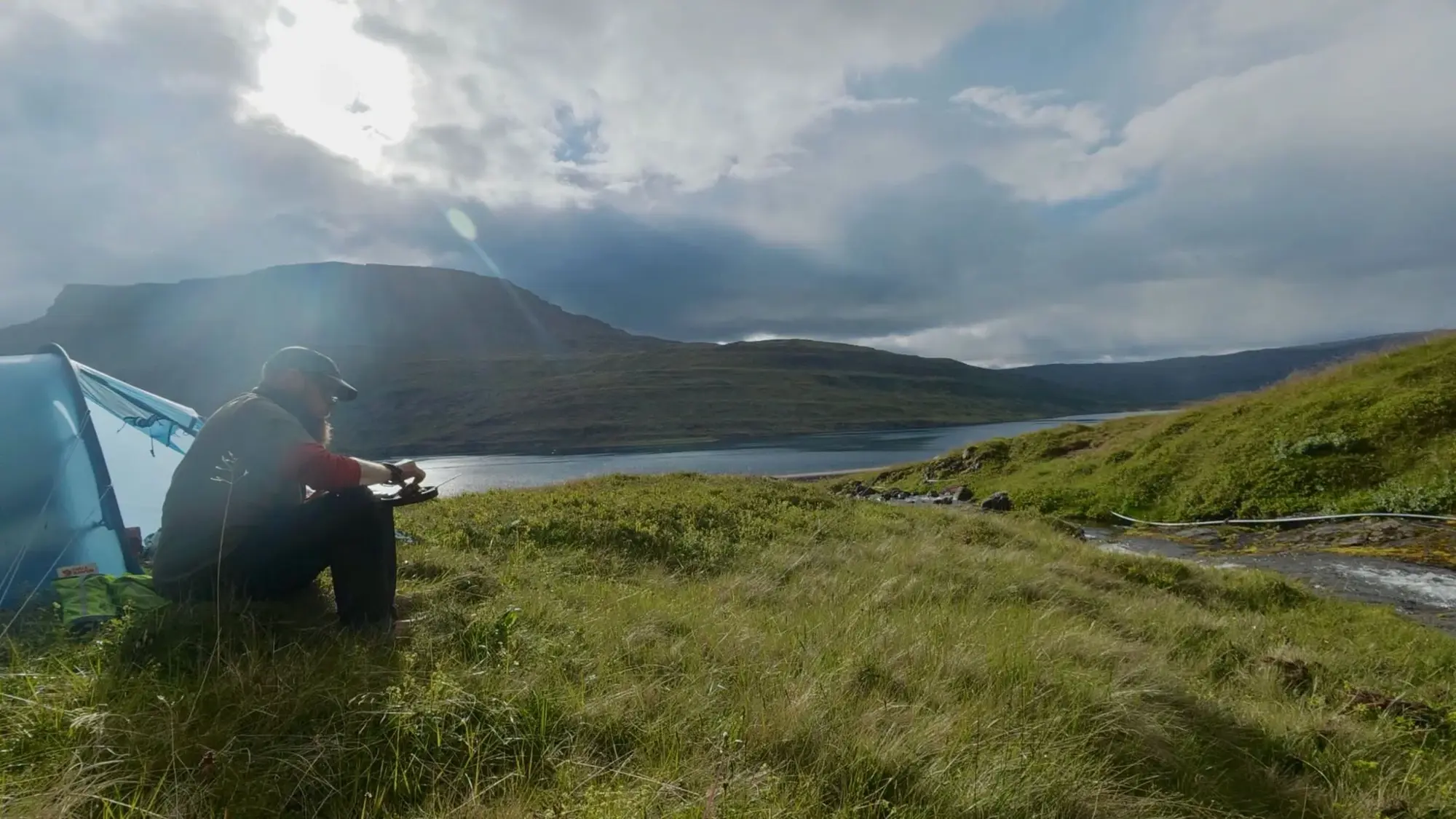
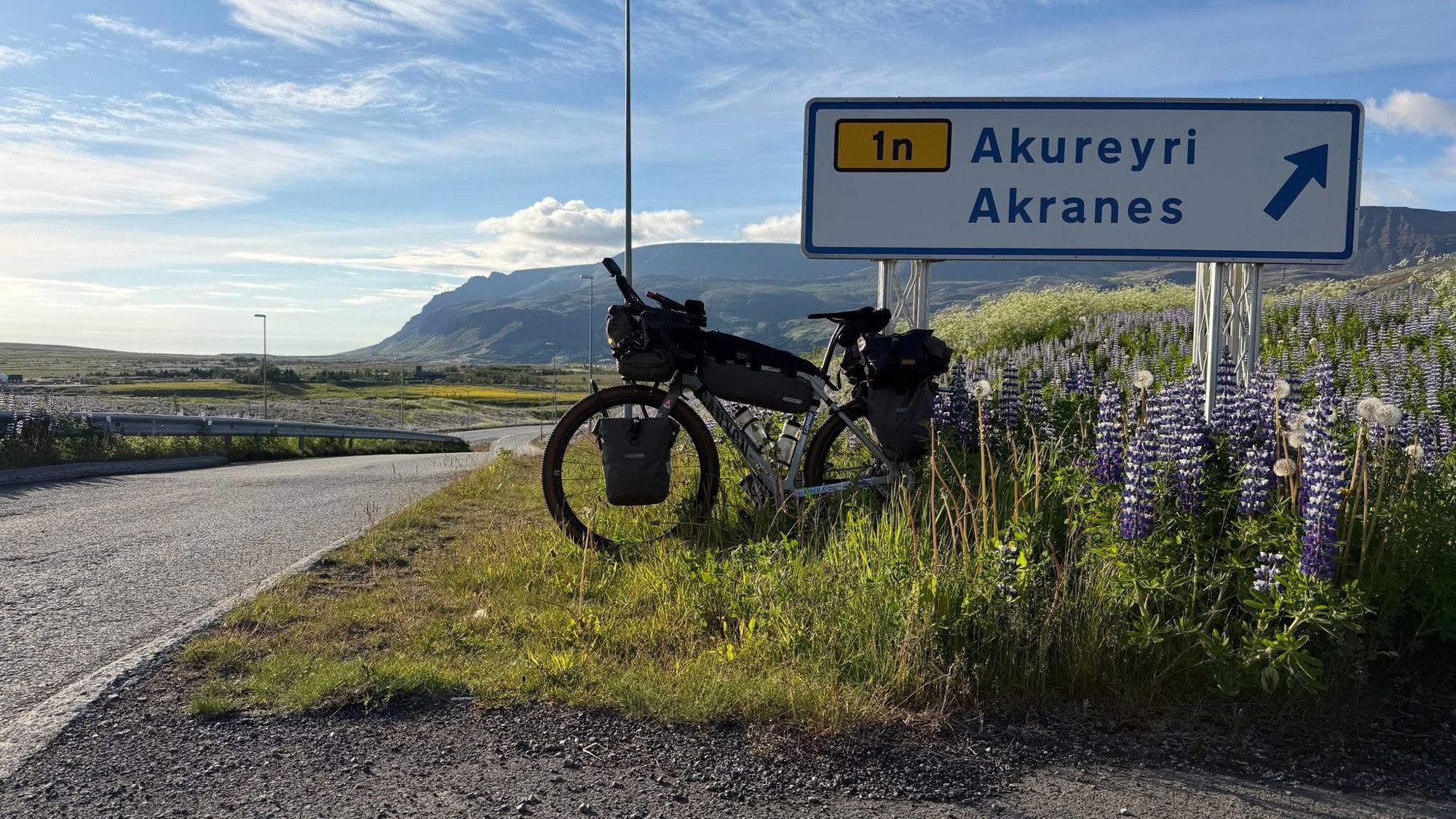
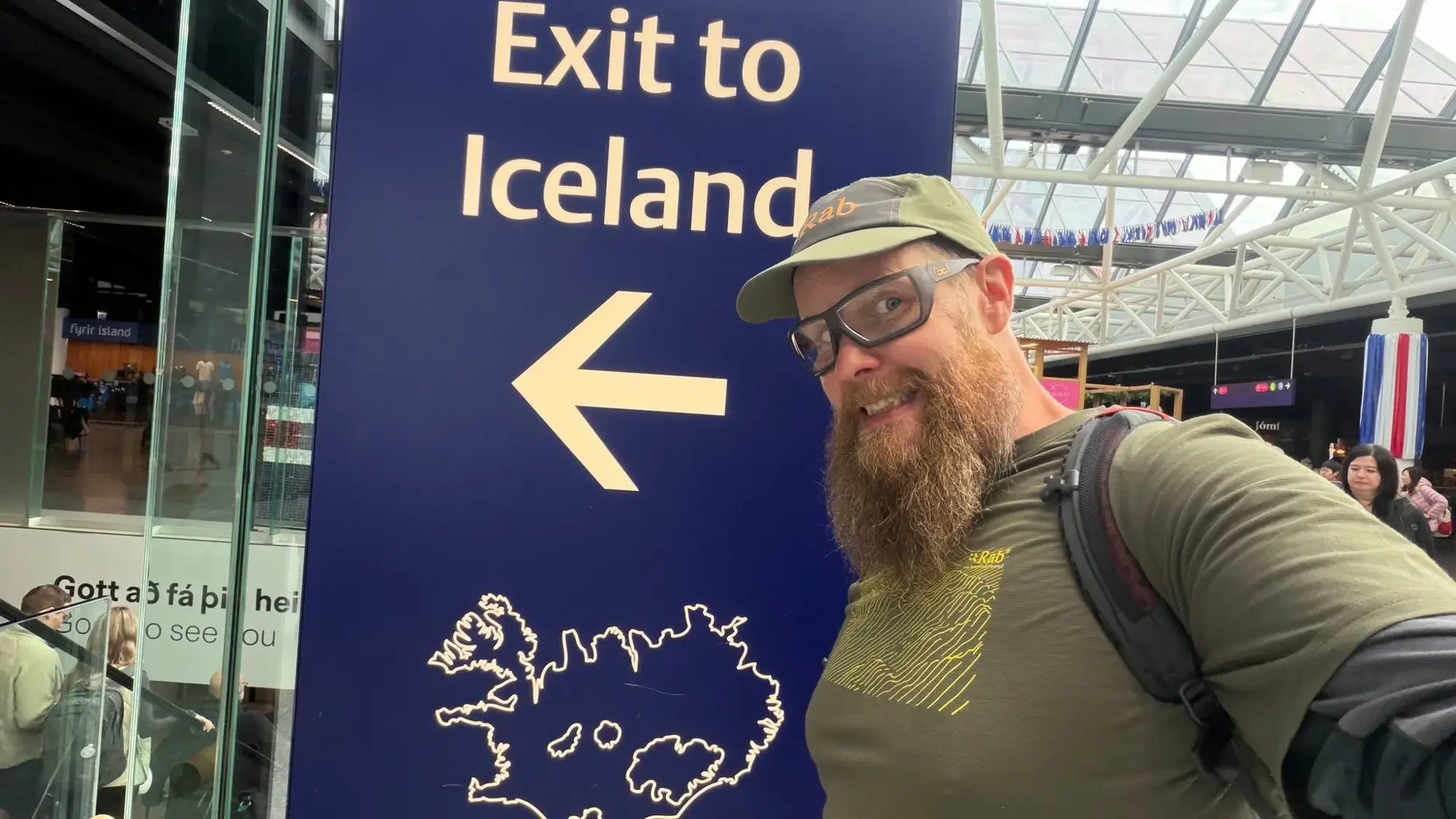
The 32-day Icelandic adventure got under way with a transition day from Keflavík through Reykjavík and out of the city. Covering 90 kilometers brought a lot of first impressions. To my surprise, it did not rain much and it was practically calm. I was surprised by the heavy car traffic, the lack of shops and petrol stations, and finding drinking water at the start was not easy. Eventually I found a spot by a small rapid where it was amazing to take a dip at the end of the day, with plenty of water for camp.

Stage 2: June 29: Westfjords to Dynjandi
- Distance
- 473
- Ascent
- 5540
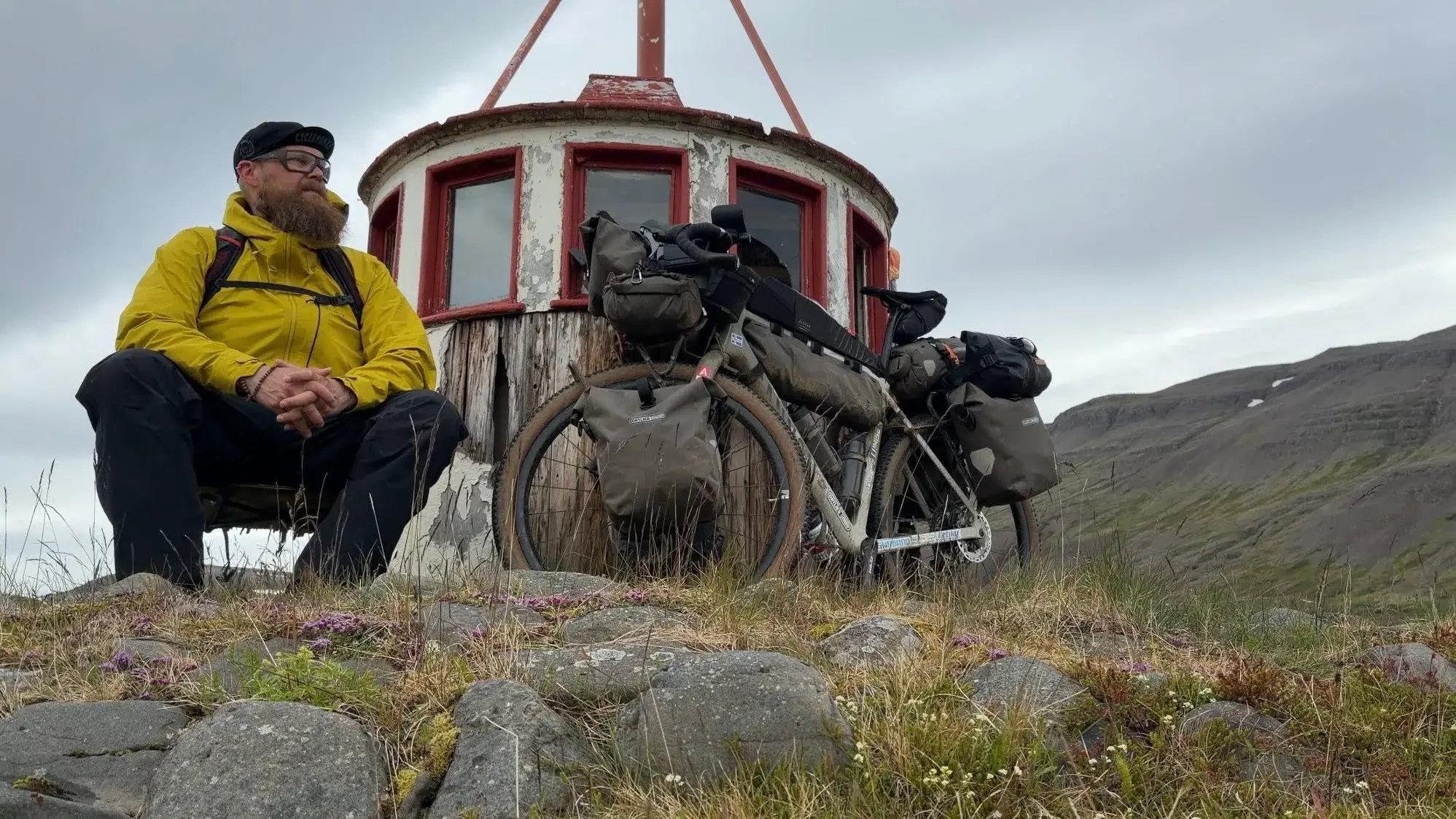
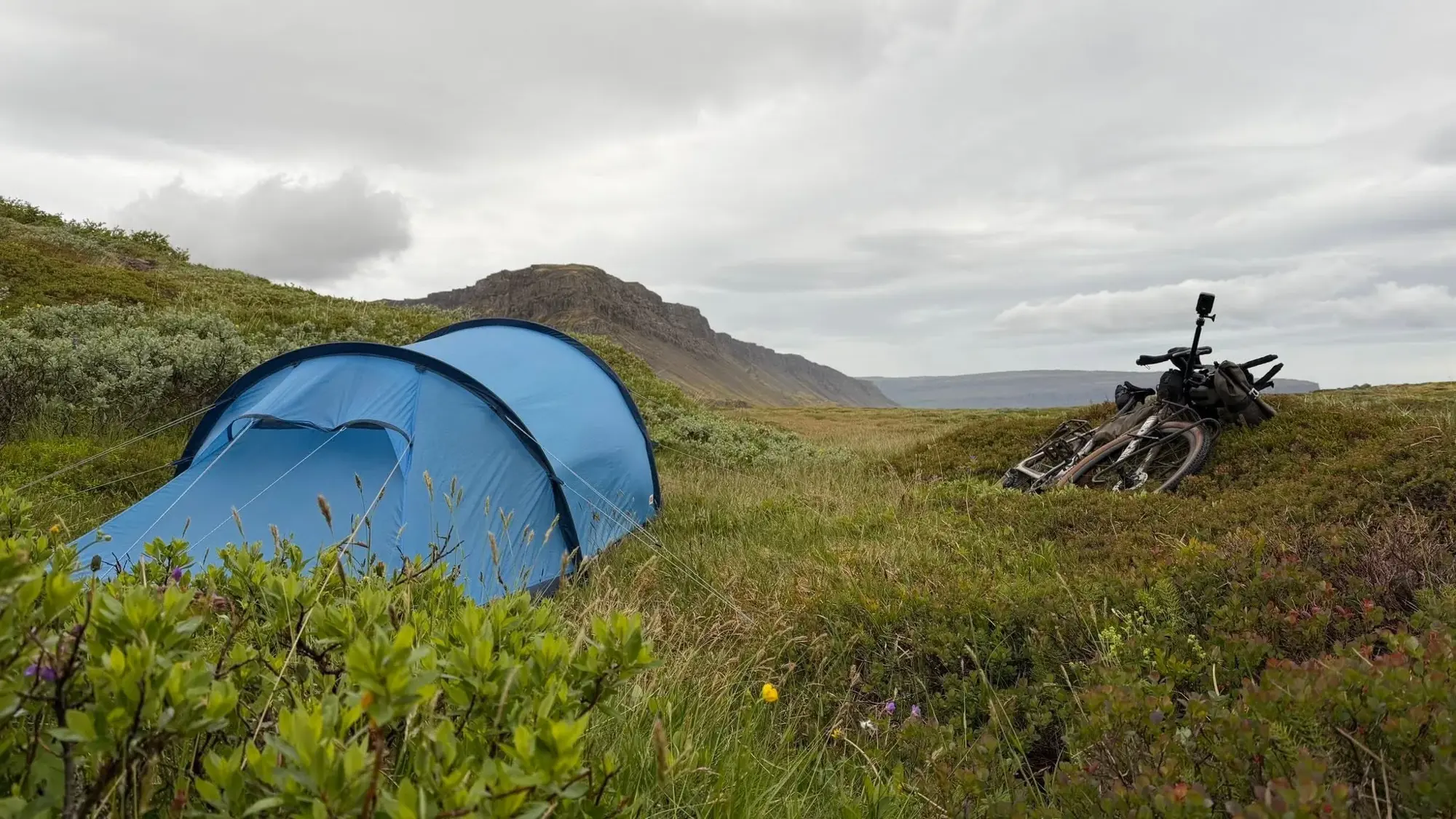
By the seventh day of the adventure, I had accumulated 473 kilometers and climbed 5,540 meters. It was a mixed bag of conditions. In Finland they say you only feel the wind, but in Iceland it takes your breath away: it stops you and knocks you down if you do not pay attention, especially when katabatic winds sweep down from the slopes. The route was mostly fjord rallying, mixed with crossings over high plateaus. I stopped to relax in the Hellulaug hot spring, and later pitched camp by the roar of Dynjandi waterfall, making pancakes to celebrate.

Around and through Iceland in 31 days (Tour De Iceland) SUBTITLED - part 1: Towards the Westfjords
Stage 3: Þingeyri, Ísafjörður and the Strandir Coast
I continued through the Westfjords, where the immense landscapes seemed never-ending. At this point, it became clear that I would not complete my initial 2,600-kilometer route plan within the available time window. I spent a rainy day in Þingeyri eating, visiting the swimming pool hot baths, and drying gear across the fjord while charging power banks. Moving on to Ísafjörður, I camped out at Minnibakki Beach and met author Satu Rämö for coffee. The sun finally broke through the clouds, allowing me to ride in shorts through Súðavík and Hólmavík, continuing all the way around the Drangsnes peninsula.




Stage 4: Staðarskáli to Akureyri and Húsavík
- Distance
- 1000
Two weeks into the trip, I had just passed 1,000 kilometers. Leaving the Westfjords, I arrived at a bus stop at Staðarskáli an hour before departure. To skip a few hundred kilometers of heavy traffic along Route 1, I took the bus to Akureyri, spent a night in a hotel to recharge batteries, and then pedaled on to Húsavík. After a long, backside-numbing day in the saddle, I set up camp in Húsavík and joined a boat safari. It was an overwhelming experience: a huge humpback whale breached completely out of the sea right beside us, accompanied by passing minke whales.





Stage 5: F88, Askja and Stuðlagil
- Distance
- 1500
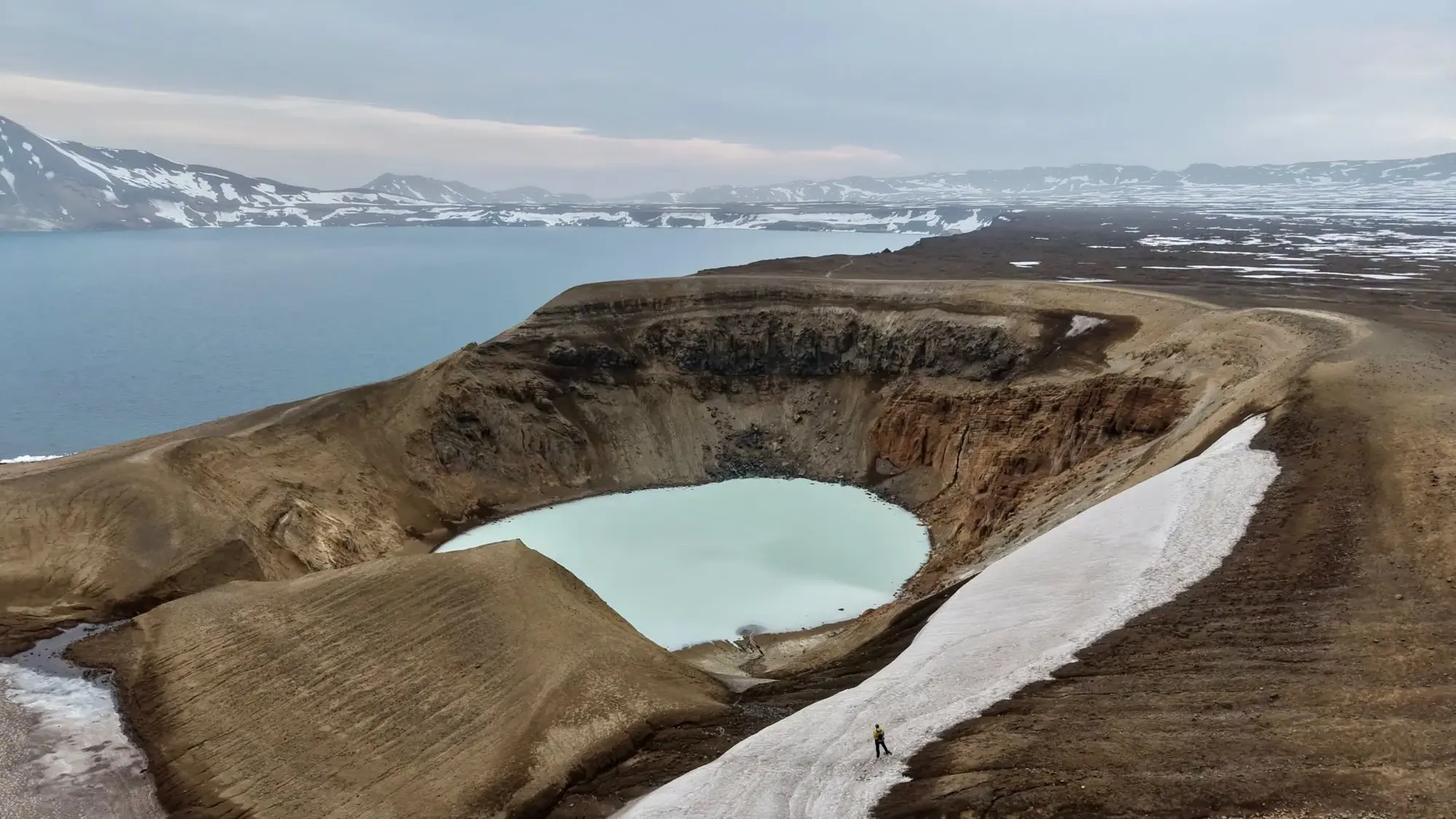
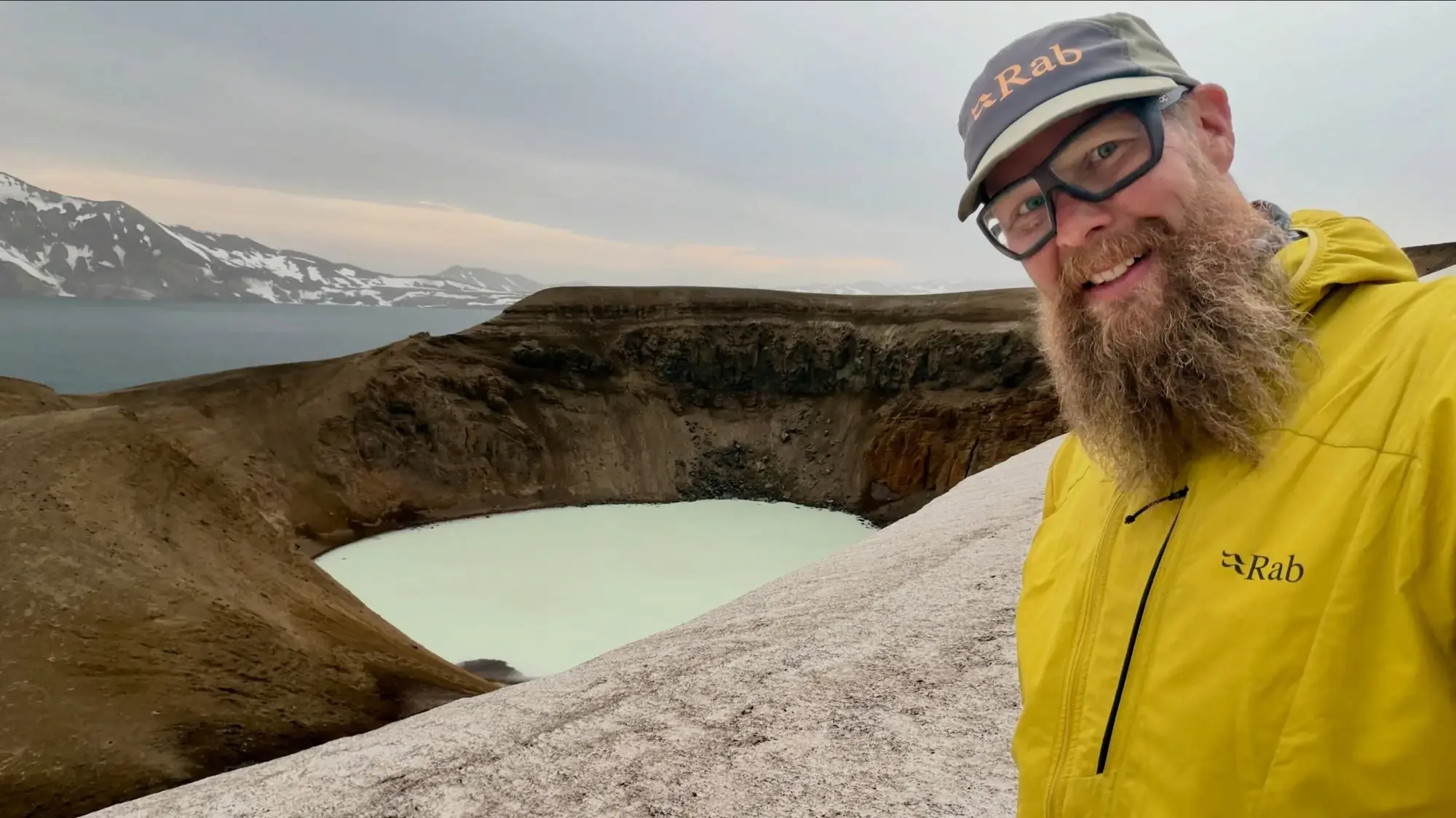
Turning south onto the rugged F88 gravel road, I headed toward the interior highlands and the craters of Askja. After a storm subsided, I set out late in the evening and reached Askja in complete solitude. The riding felt like pedaling through a Star Wars film set, pushing against strong head winds. Passing drivers proved very friendly, including an older couple who stopped to hand me bananas and chocolate. After crossing the 1,500-kilometer mark of the tour, I woke up 105 kilometers from Stuðlagil Canyon, where I camped and visited the canyon formations before returning to Route 1 to maintain pace.



Stage 6: Geysir to Reykjavík
- Distance
- 120
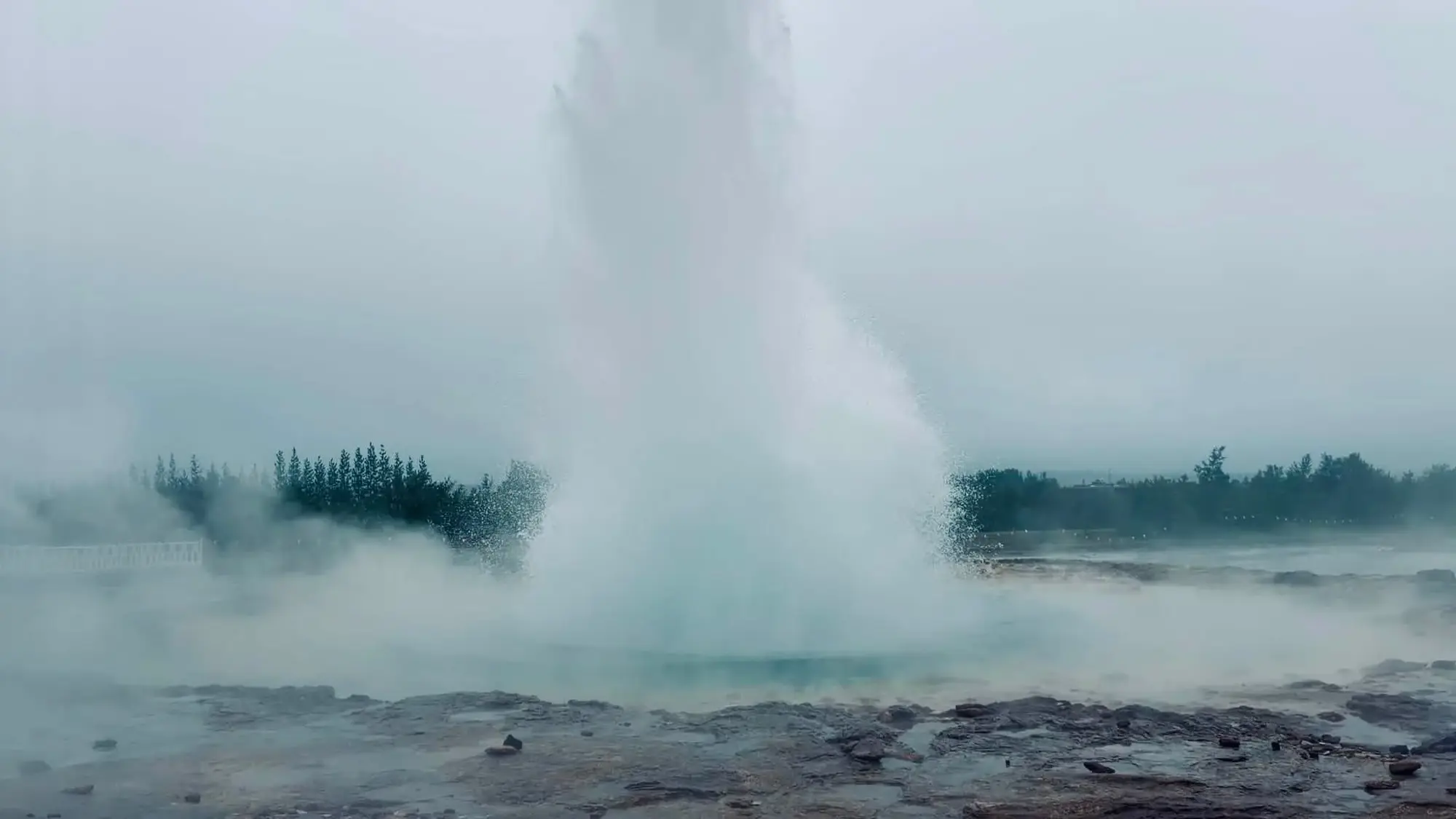
On the final push back toward Reykjavík, my rear tire started slowly deflating every 15 to 20 kilometers, requiring constant pumping until it finally blew completely as I reached Geysir and pitched my tent. After replacing the tire, I rode the final 120 kilometers into Reykjavík in torrential rain, keeping the tempo high to avoid catching a chill. Arriving at Reykjavík Eco Campsite brought the journey to a close after 31 days and 2,357.8 kilometers around and across Iceland.



Highlights
- Wild camping beside the roar of Dynjandi waterfall after a long day in the Westfjords.
- Dipping into Hellulaug hot spring to soothe tired legs.
- Close encounters with humpback and minke whales on a boat tour in Húsavík.
- Riding through late-night solitude across the volcanic sands toward Askja.
- Reaching the towering basalt columns of Stuðlagil Canyon.
Camping
- Wild camping is generally prohibited across Iceland, with an exception allowing cyclists or hikers to camp for a single night on uncultivated land if no registered campsite is nearby.
- Well-equipped official campsites are situated at Dynjandi, Húsavík, Stuðlagil Canyon, and Reykjavík Eco Campsite.
- High winds can make pitching difficult, so ensure tent pegs are well secured with rocks where ground is loose.
H2O
- Natural water sources can be sparse along coastal highways near Keflavík and Reykjavík, so start with full bottles.
- Across the fjords and highlands, fresh water from clear streams and rapids is abundant and safe to drink.
Resupply
- Grocery stores and petrol stations are widely spaced outside regional centers like Akureyri, Ísafjörður, and Húsavík.
- Carry multiple days of food when heading onto inland F-roads such as the F88.
Trail Notes
- Fjord riding in the Westfjords involves relentless climbs and descents with severe katabatic winds that can knock a rider sideways.
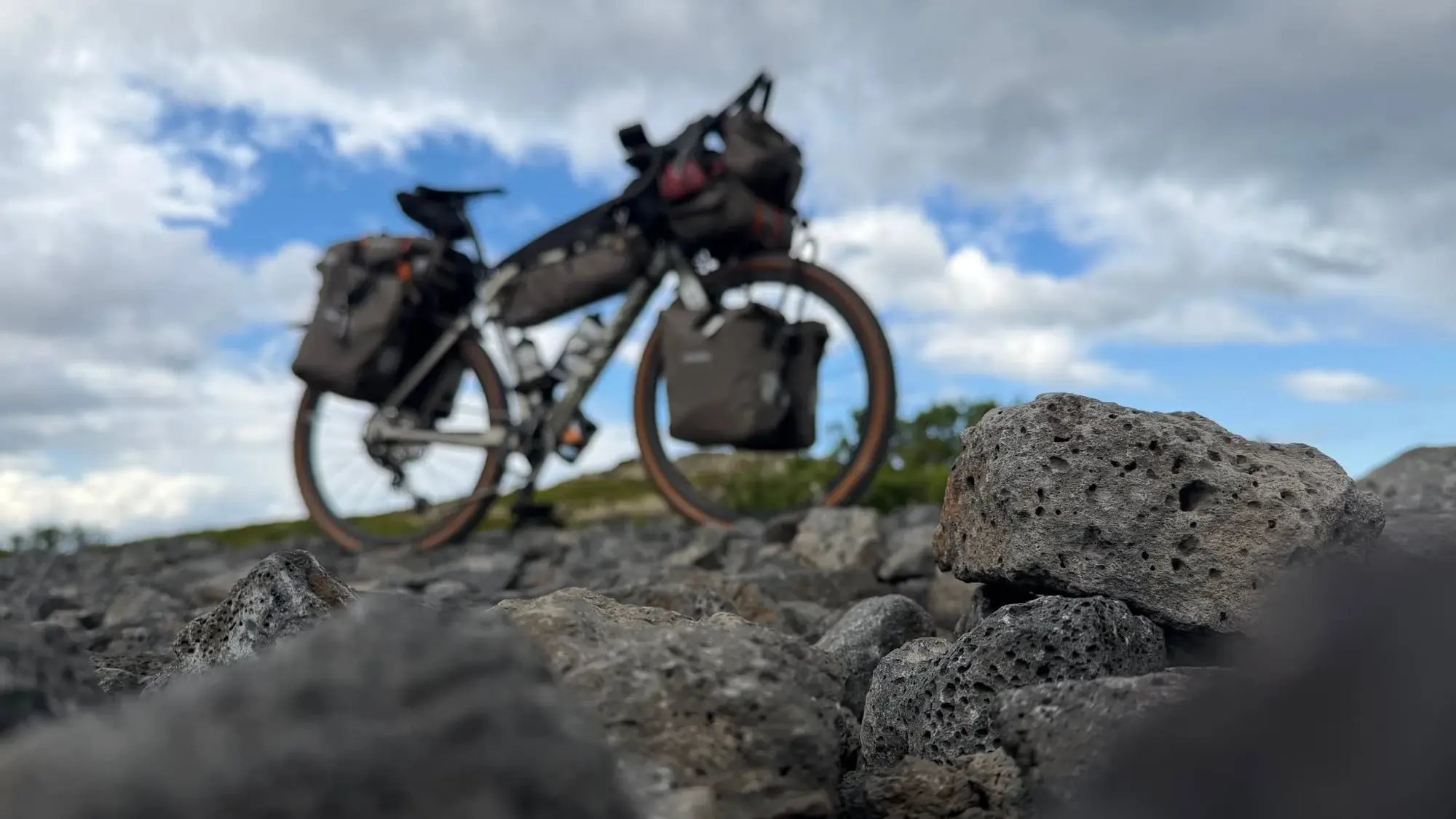
- The F88 inland route to Askja traverses rough volcanic sand and corrugated gravel; fat tires and lower pressures help maintain traction.
- Traffic on Route 1 is fast and dense in sections, particularly in the south and around major tourist hubs. Scheduled regional buses allow skipping narrower, heavy-traffic stretches if needed.
Gear
- A sturdy gravel or mountain bike with tied or reinforced spokes helps carry heavy loads over washboard and volcanic tracks.
- Fully waterproof bikepacking bags are essential to keep spare clothes and sleeping gear dry during prolonged rains.
- Carry spare tubes, patches, and a pump; sharp volcanic rocks cause regular slow punctures.
- Bring quality windproof layers, a warm sleeping bag, and joint ointment or sports tape for repetitive strain.
Weather Window
- Mid-summer provides 24 hours of daylight, offering the flexibility to ride late into the evening or during calmer night hours.
- Weather changes rapidly from calm sunshine to violent rainstorms and freezing headwinds even in July.