Hiking
Hohe Tauern National Park 3 Day Trek
Contributed by Gordon Gace
Austria
A Little Adventure in the Austrian Alps
- Stages
- 3
- Distance
- 45
- Difficulty
- 6
This adventure started, as many of my favourite adventures do, with a desire to get away from work. Austria was a fairly last-minute choice, and was chosen largely because I'd loved my visit the previous year and the flights happened to be some of the cheapest available. With both Lisah and I managing to secure a week off, we knew we needed to make the most of it, and a three-day hike in the Austrian mountains quickly became part of the plan.
Having explored Innsbruck and the Dolomites the year before, I wanted something a little different: somewhere that felt wilder, quieter and less frequented by the usual crowds of tourists and instagrammers. A bit of research and some Strava digging eventually led me to the Hohe Tauern National Park, home to Großvenediger and its impressive glacier. It seemed like the perfect opportunity to get up close to a glacier without relying on ski lifts or cable cars to do so.
I hadn't come across many photographs or influencer posts of the area, which, in this day and age, seemed like a promising sign. Of course, the Hohe Tauern is by no means undiscovered, but we were incredibly fortunate to experience almost the entire route on our own. Visiting in early September, just outside the peak summer season, may have helped. Once we left the roads and busier trails of the valley behind, we encountered only three other people on the trails over the next three days outside of the huts.
That was exactly what I had hoped for: a sense of freedom and solitude in the mountains, without having to sacrifice the comforts of an alpine hut at the end of the day.
Stage 1: Day 1: Into the mountains
- Distance
- 15
- Ascent
- 1480
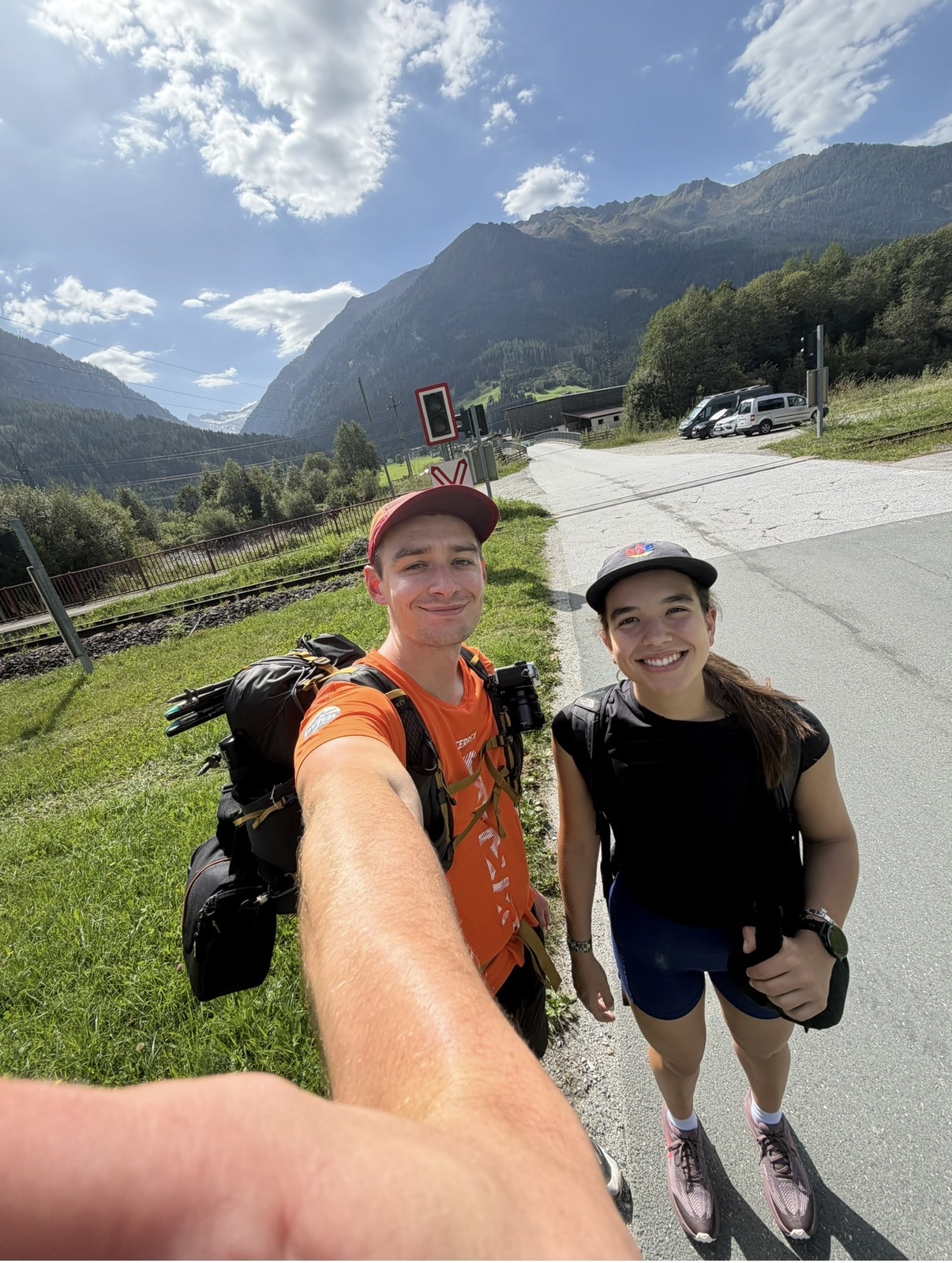
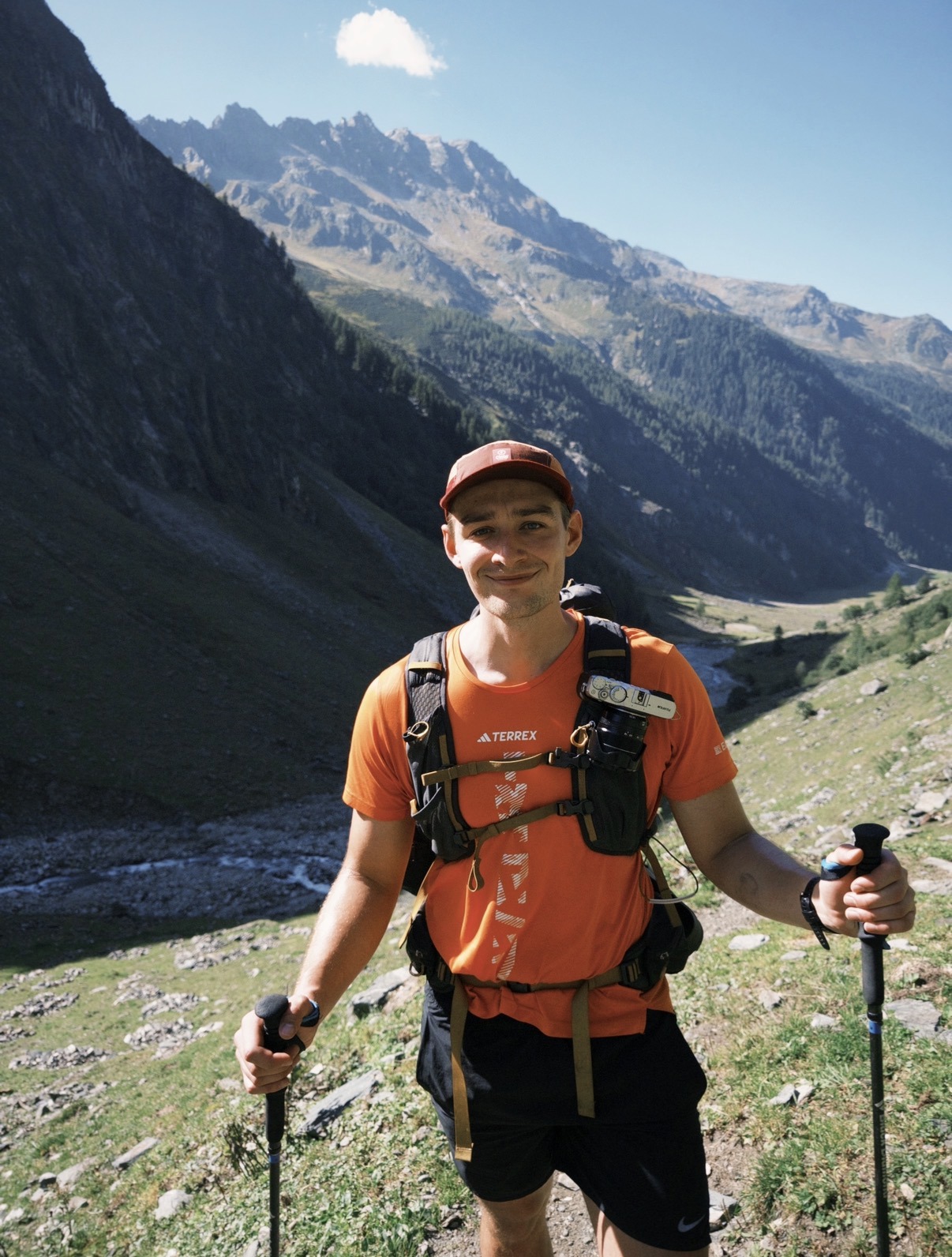
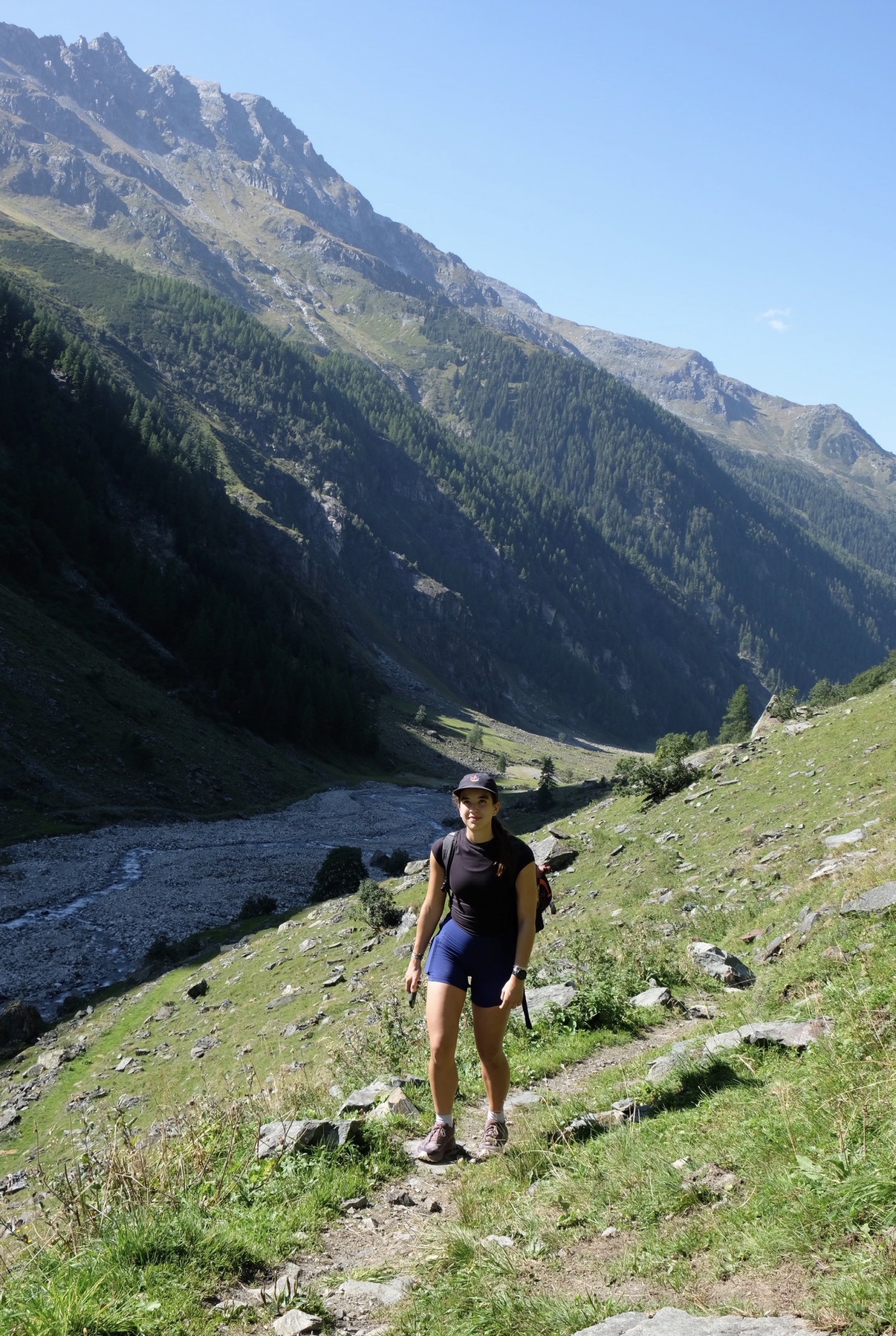
We set off early from Salzburg towards Mittersill, at the edge of the national park, stopping briefly for some emergency shoe shopping. Lisah's trail running shoes were falling apart, so she treated herself to a fresh pair of Hoka Speedgoats before we caught the bus into Habachtal and began our hike. By the time we set off, it was midday and the sun was beating down. We followed the valley upwards, enjoying the sound of the river carving its way through the landscape. We'd planned to find an opportunity for a swim along the way, but never quite got around to it. In hindsight, this was a missed opportunity, as it turned out to be the only properly sunny day of our hike.
The lower valley was relatively busy, with hikers enjoying easier walks to the valley alms. We stopped at the last alm for an ice cream sundae. Shortly afterwards, we explored an area of landslide debris near the Alpenrose Inn, apparently known for its emeralds. After a bit of enthusiastic but largely uninformed searching, we continued empty-handed. No emeralds, unfortunately, but at least we could say we'd tried.
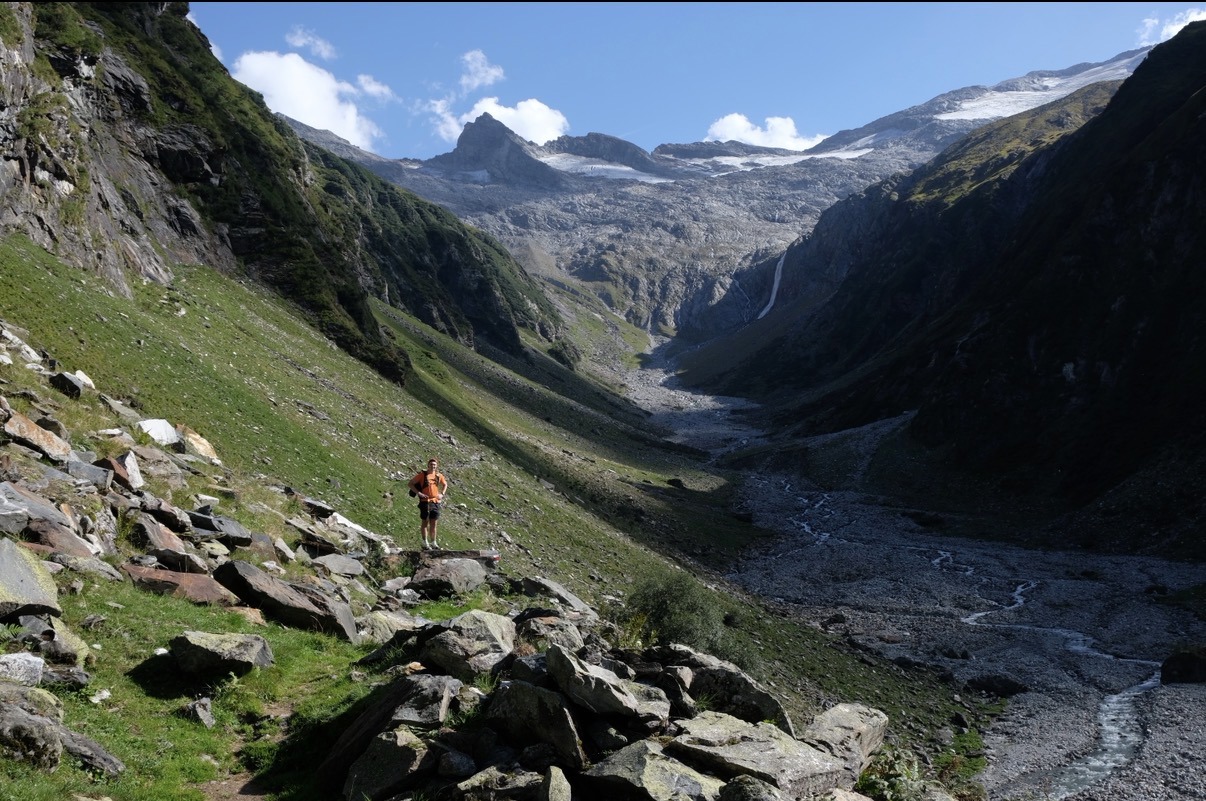
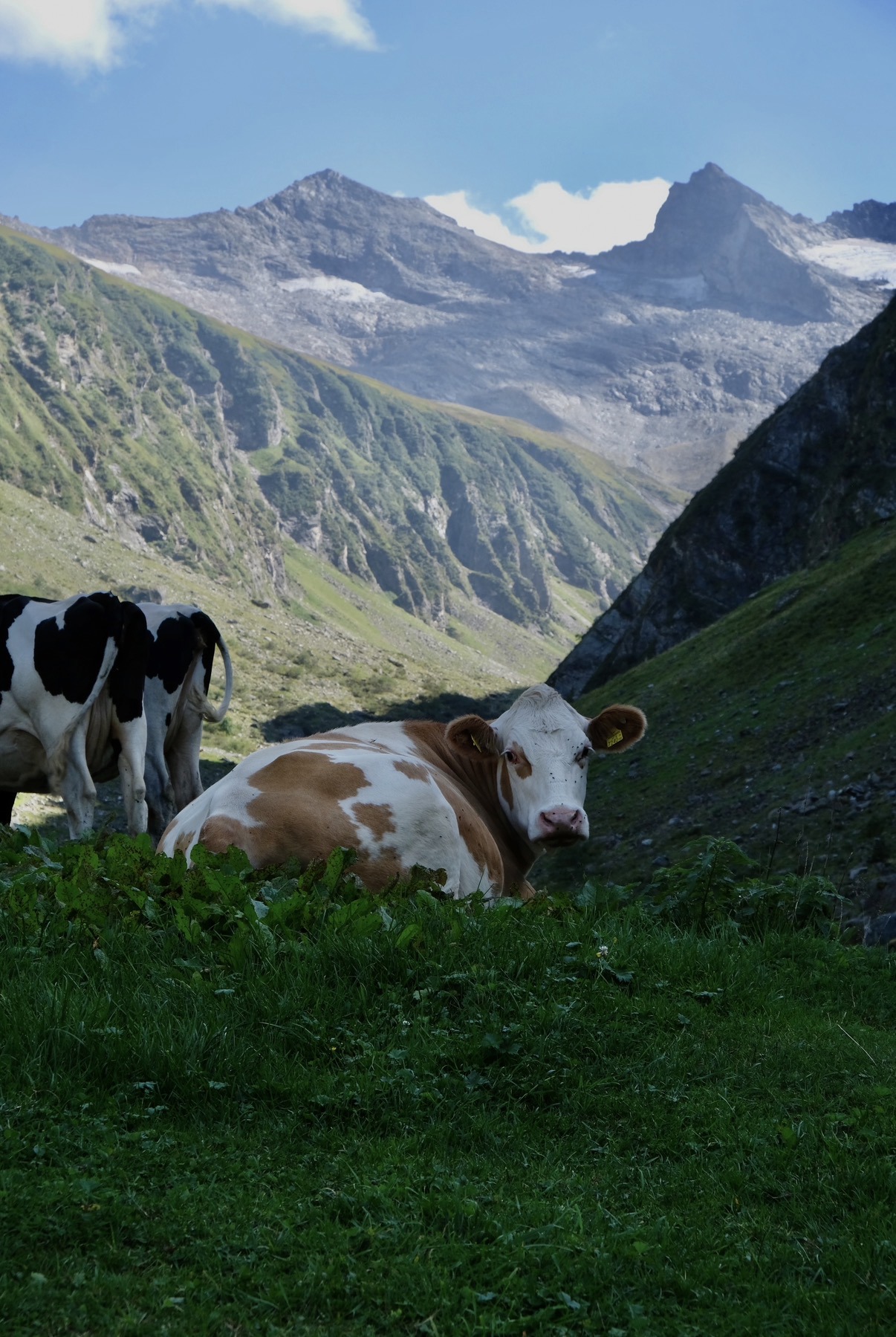
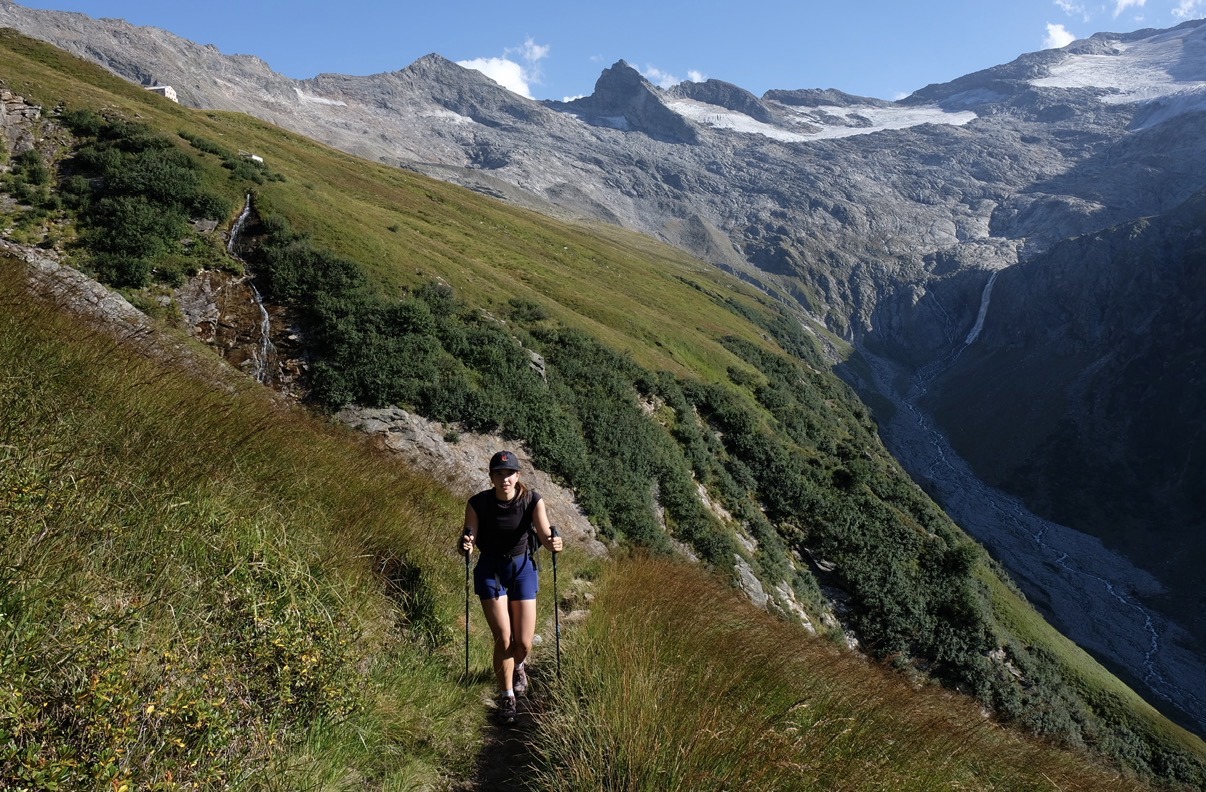
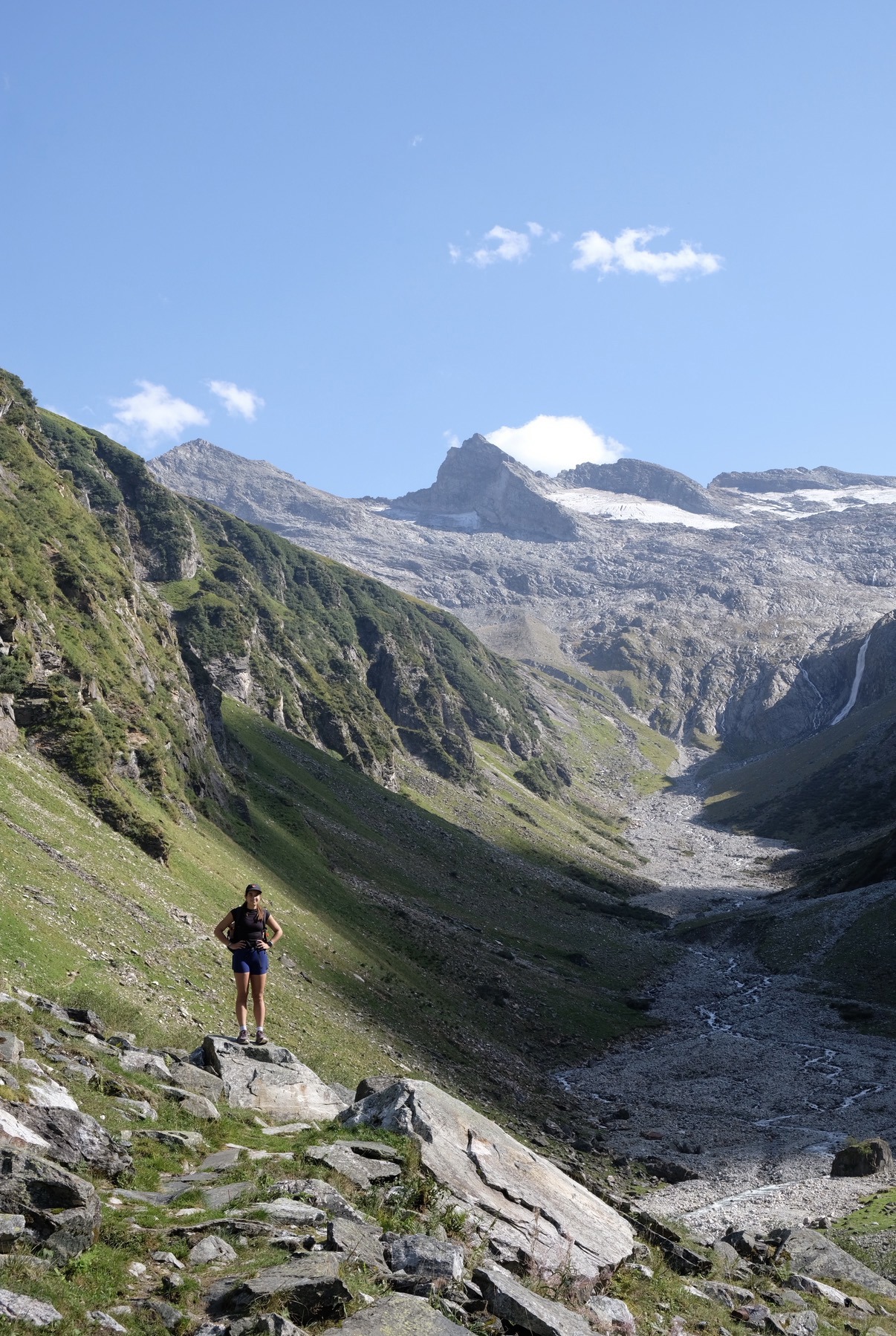
We continued towards the end of the valley leaving the crowds. We greeted a few cattle along the way, before beginning the long climb towards our first night's accommodation. A waterfall at the back of the valley provided a constant focal point, fed by the melting glacier above. We also spotted a few marmots, which we quickly dubbed the European equivalent of our rock dassies back home.
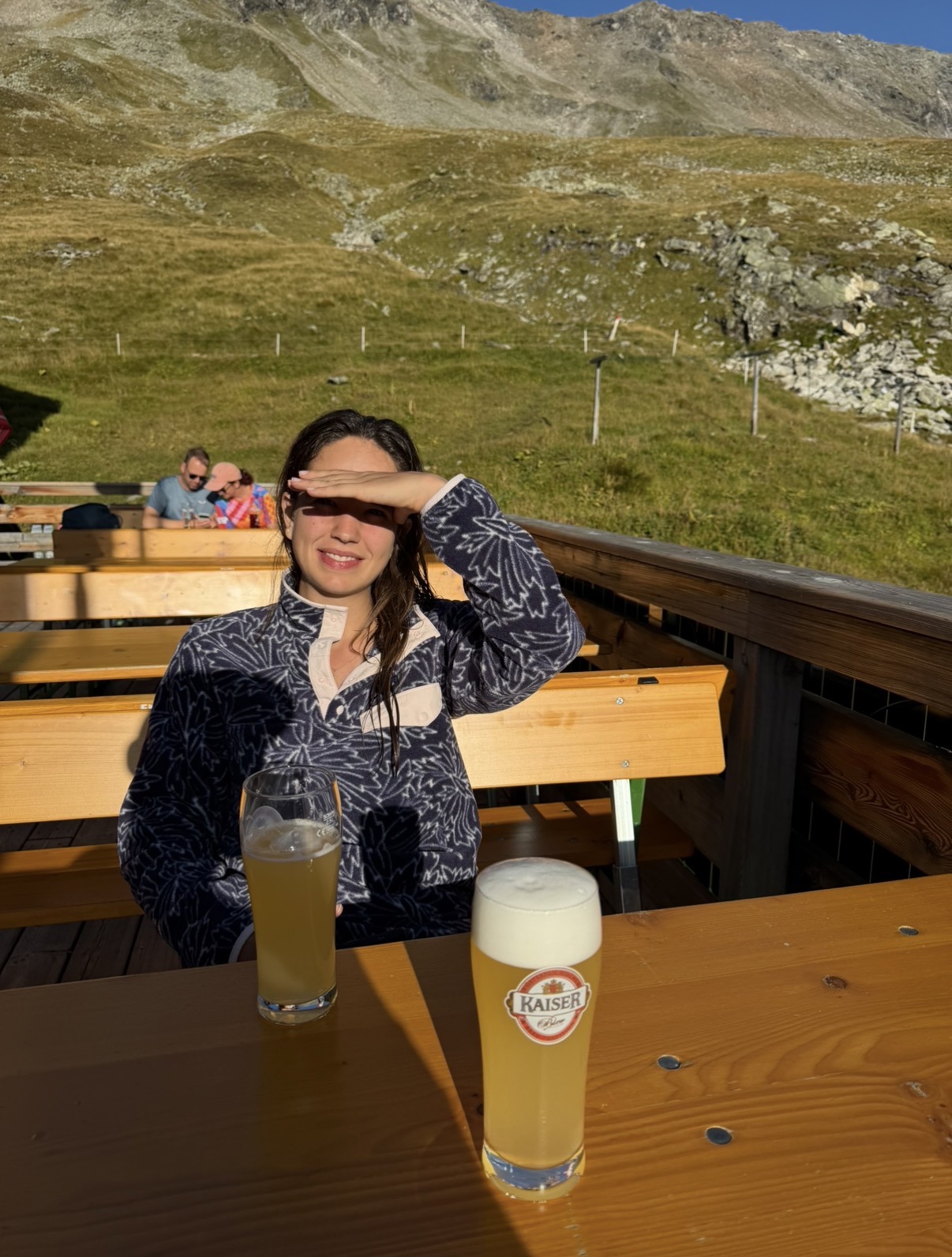
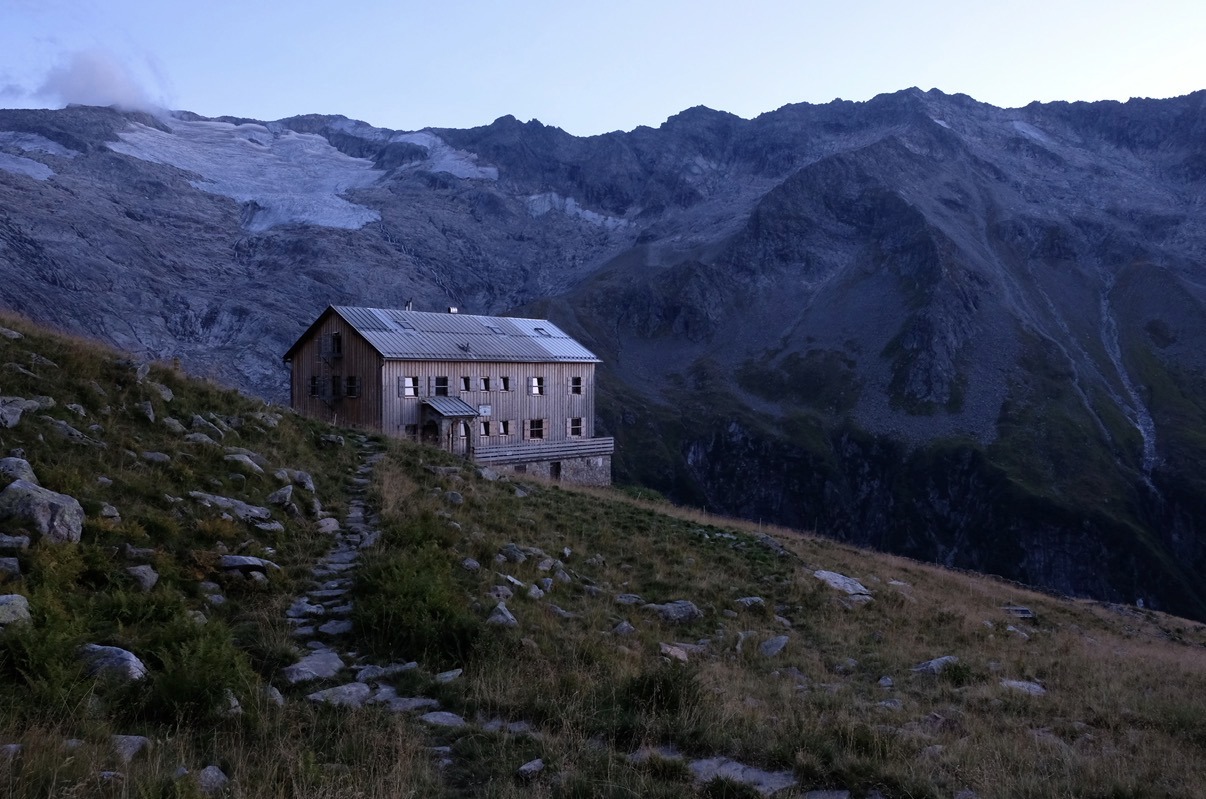
After a few breaks, we finally crested the slope and were greeted by the sight of the Neue Thüringer Hütte. Set high above the valley, the hut was a welcome reward for the climb, offering a comfortable place to spend the night surrounded by mountains and glacial scenery. We checked in, managed to secure a private room and settled onto the deck with Radlers in hand.
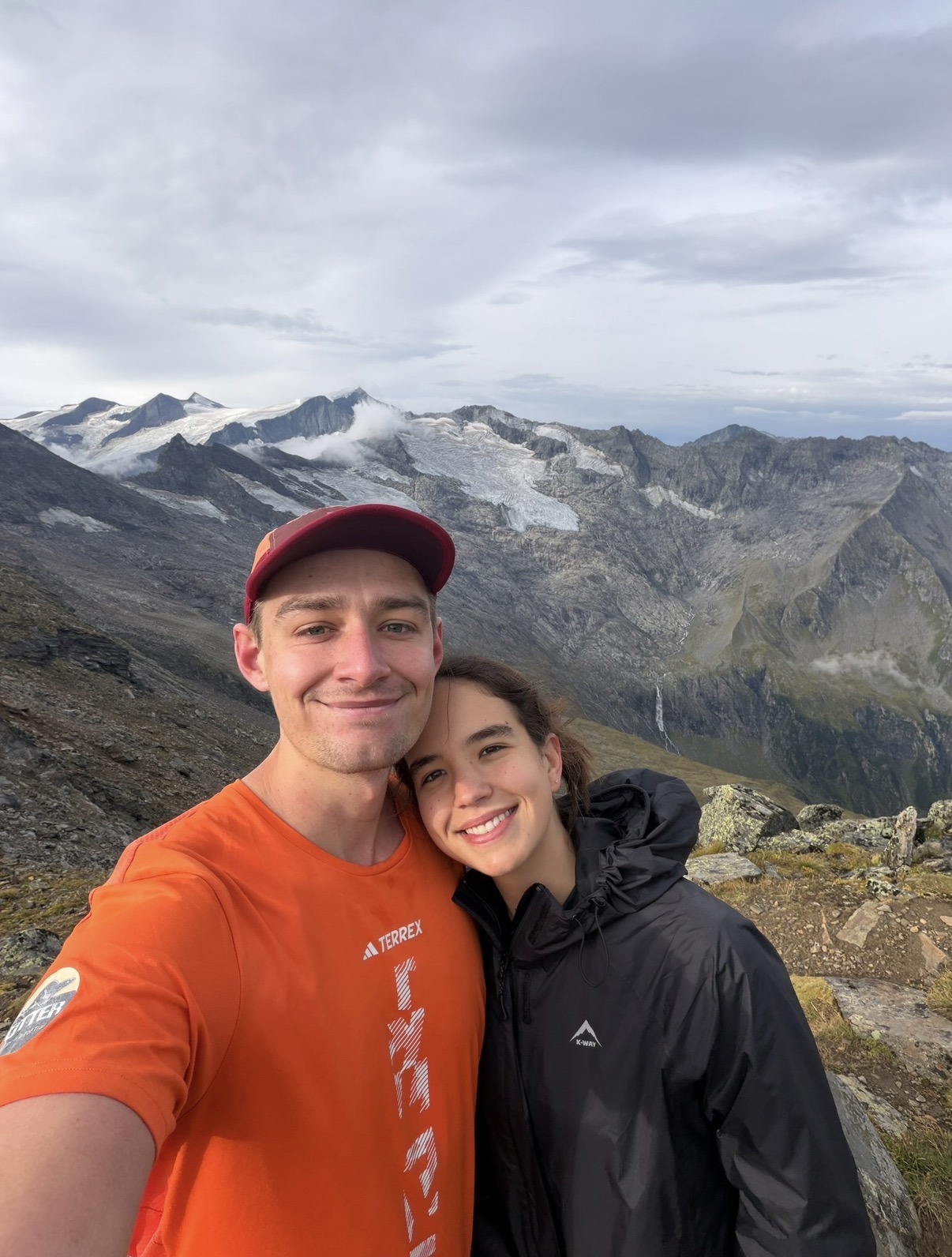
Looking back across the valley we'd just climbed, with the waterfall and glacier in the distance, it was difficult not to feel incredibly lucky to be there. We laughed about how our colleagues would be getting on back at work, and how our email replies would no doubt begin with some variation of "I hope this email finds you well". Thankfully, we had no emails to worry about, no meetings to attend and absolutely no reason to be anywhere other than where we were.
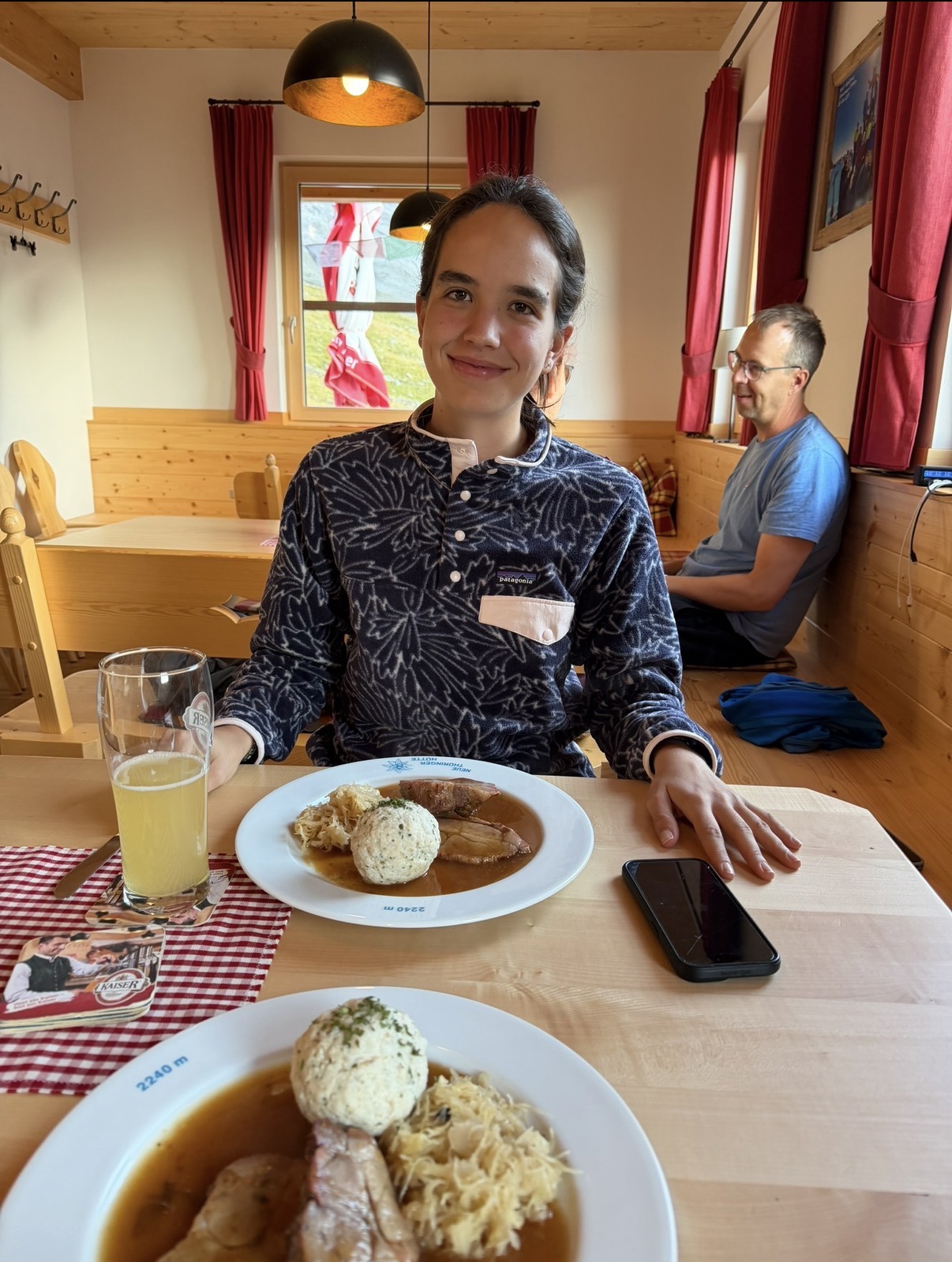
We enjoyed a three-course dinner, a few more drinks and a walk outside to watch the last light fade across the mountains. The sky was clear and filled with stars, but as the evening wore on, I noticed many flashes of lightning in the distance. A thunderstorm was clearly raging somewhere beyond our valley.
With the following day promising to be our longest and toughest, involving 17 km and 2,000 m of elevation gain across two ridgelines, I found myself checking the forecast more often than I'd have liked. Storms were expected to arrive around 14:00, with a decent risk of lightning. Having experienced some rather uncomfortable moments with lightning in the exposed Drakensberg, I knew just how quickly a beautiful mountain day could turn into something more serious.
It was going to be an interesting morning.
Stage 2: Day 2: Two ridgelines and a race against the weather
- Distance
- 17
- Ascent
- 2000
We woke to grey skies, drizzle and conditions that did little to inspire confidence. After discussing our plans with the hut owners, they suggested taking a shorter route to a hut in the neighbouring valley. It was a sensible option, but a seven-kilometre day wasn't quite what we'd travelled all this way for. We decided to reassess once we reached the hut, which was along our intended route anyway.
After breakfast, we headed out and immediately began climbing. The first 2.5 km involved roughly 700 m of elevation gain, taking us steadily towards the ridge above. The drizzle continued for a while, but thankfully the weather began to clear as we climbed.
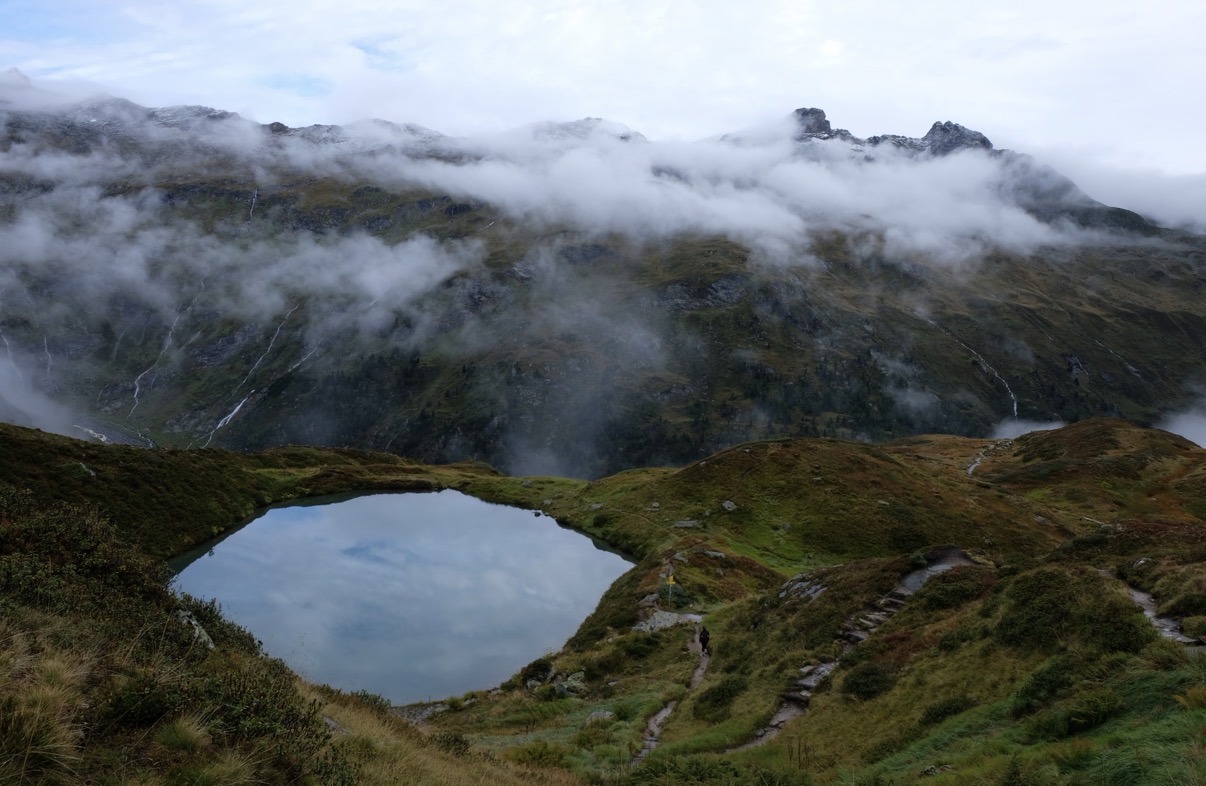
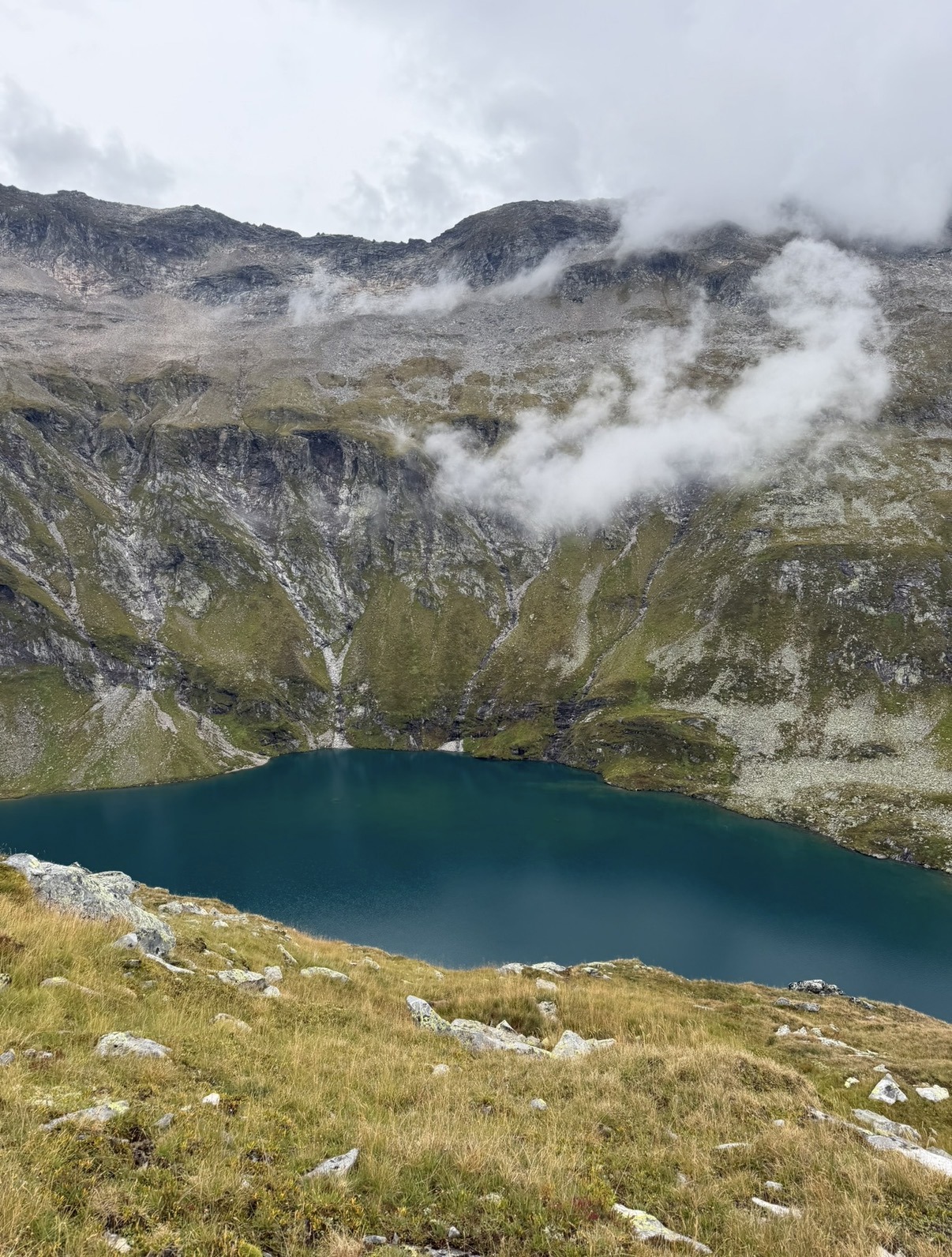
Reaching the top, we stopped to appreciate the views of a picturesque lake below us and the glaciers stretching across the mountains in the distance. For a moment, the weather concerns faded slightly. We descended towards the hut by the lake, checked the forecast again with the hut manager and, encouraged by the possibility of reaching our final destination before the storm, decided to push on.
The next climb was another 2.5 km or so, with a further 600–700 m of ascent. Our legs were beginning to feel the effects of the morning, and we weren't exactly fresh to begin with. After several days of exploring Austria before the hike, and with my running fitness still compromised by a calf injury that had kept me from running for months, I was already feeling the accumulated fatigue.
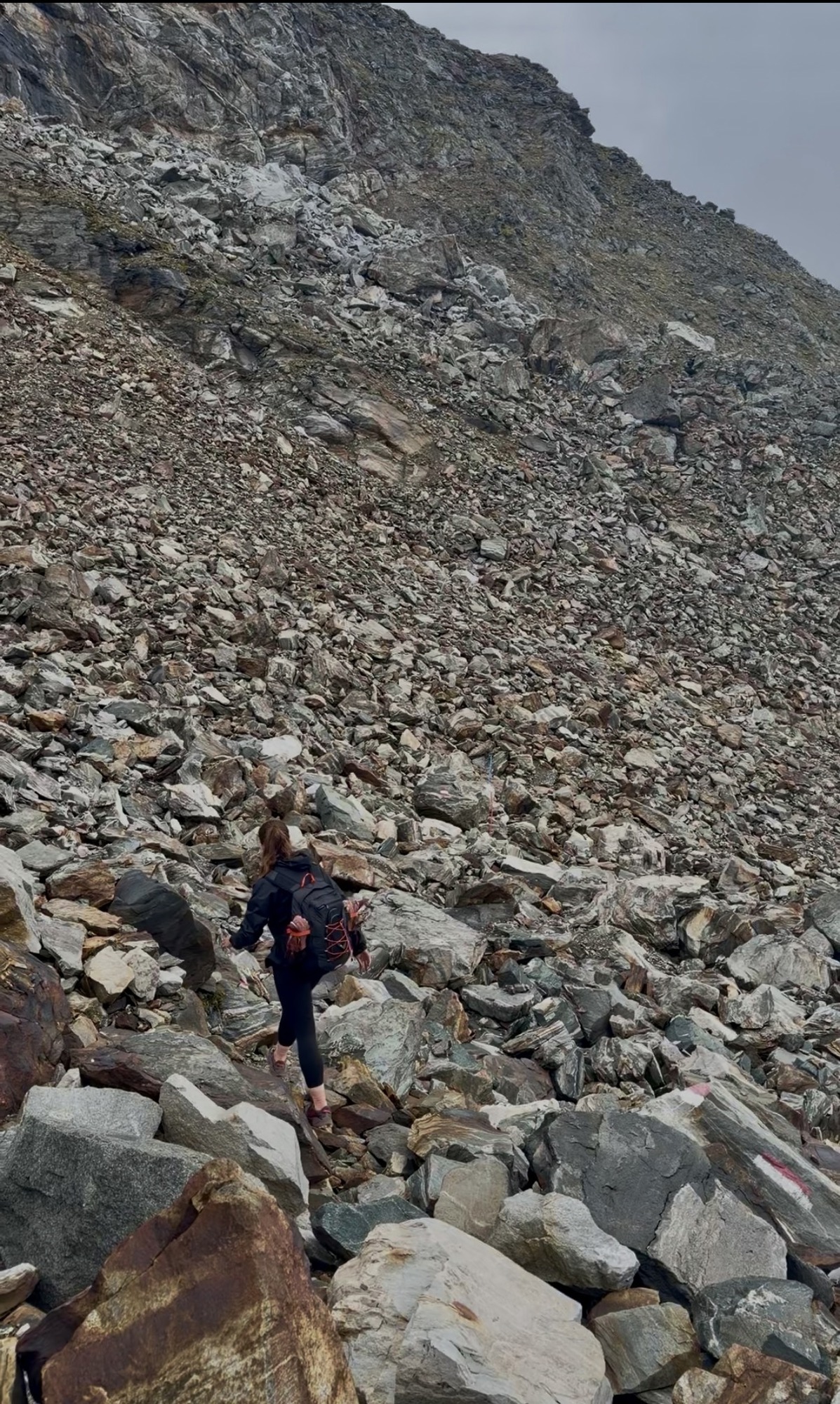
Not wanting to lose too much time, I took Lisah's backpack and we pushed onwards. Progress slowed considerably as we approached the ridge and encountered a huge boulder field. Picking our way through the rocks required some careful footwork and route-finding, and with the weather still uncertain, the delay made me increasingly uneasy.
Eventually, we crossed the boulder field and reached the next ridge. There, we encountered the only other hiker we'd seen on the route that day: a solo traveller who had been camping on the ridge and had decided to stay another night because of the weather. He was undertaking a roughly 3 month traverse across the Alps and was nearing the end of his journey. We exchanged a few words before going our separate ways. What an experience that must have been.
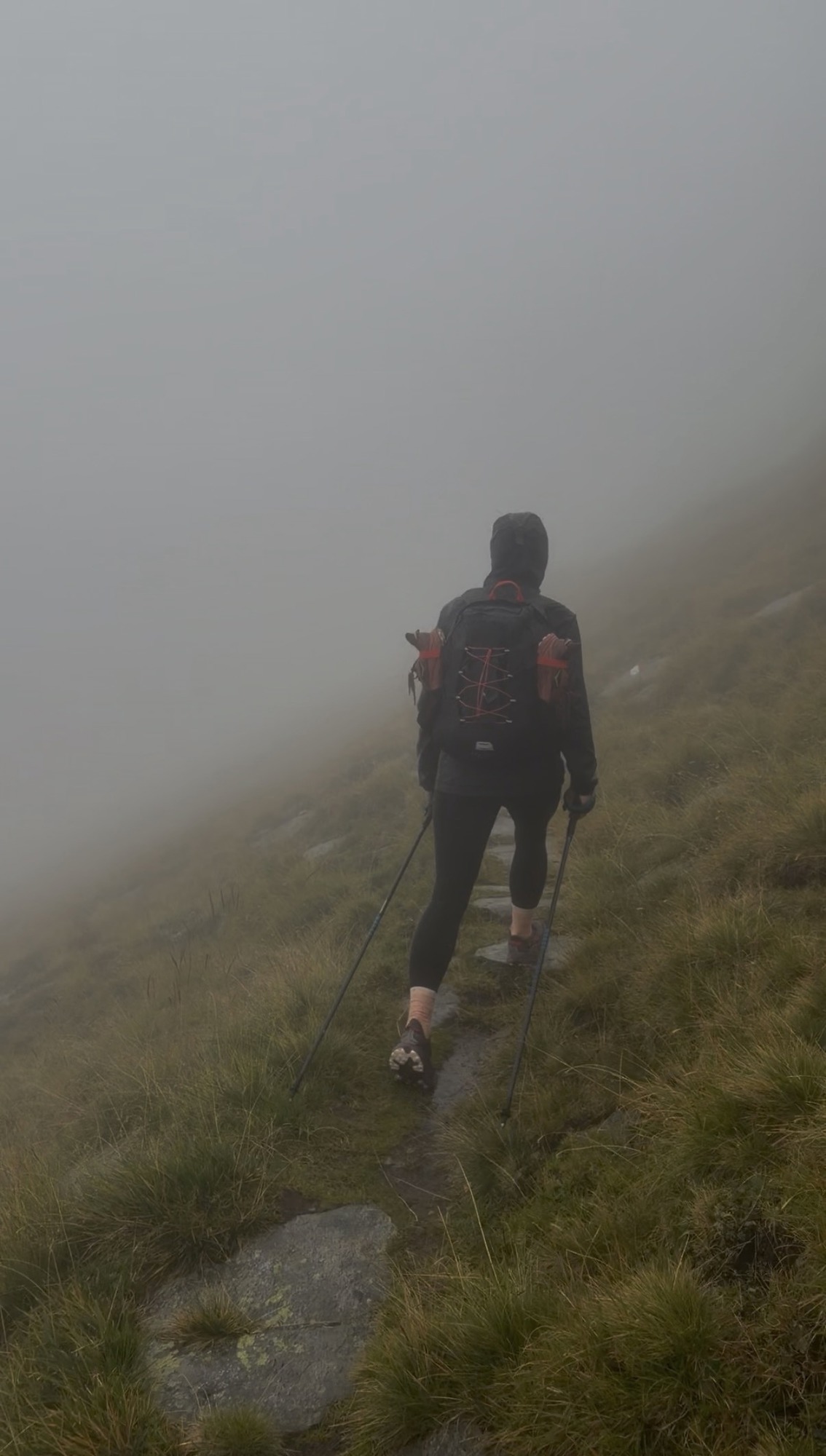
By now, the drizzle had returned, the mist was rolling in and visibility was nowhere. We descended along the faint trail, keeping a steady pace and avoiding unnecessary stops. The conditions weren't particularly bad, but the looming possibility of thunderstorms meant we were keen to keep moving. Thankfully, as we reached the bottom and began the final climb towards the Neue Prager Hütte, the mist started to lift and visibility improved. Knowing we were on the last ascent finally allowed some of the tension to ease. It also meant I could appreciate just how tired I was. We still had roughly 500 m of climbing ahead of us, on legs that had already accumulated plenty of elevation over the preceding days.
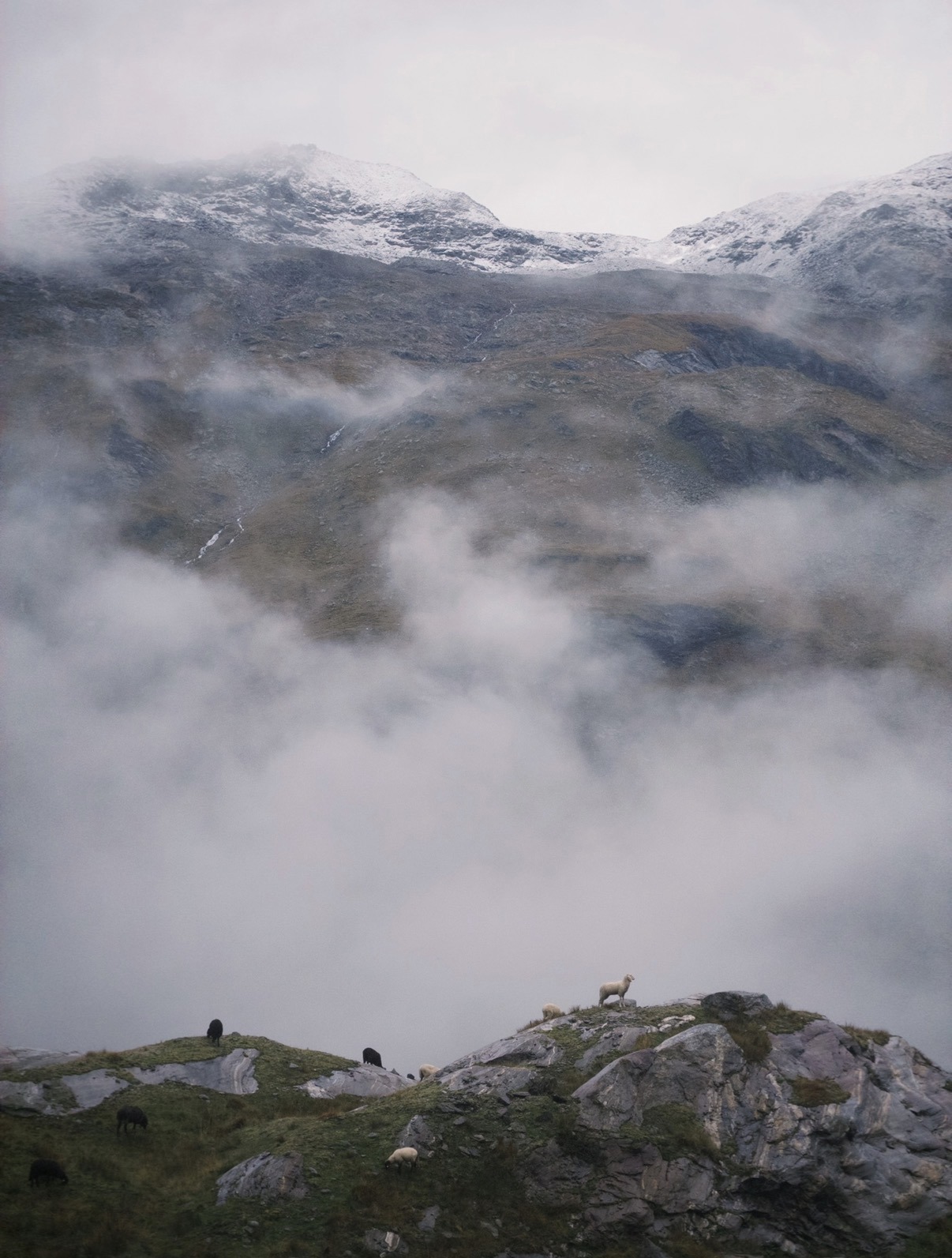
We pushed on, passing some friendly sheep along the way and eventually overtaking a group of German hikers. They seemed rather surprised by my choice of clothing: shorts and a shirt, while they were kitted out in high-tech waterproof gear.
We finally reached the Neue Prager Hütte before the 14:00 storm deadline, without encountering a thunderstorm. All things considered, it was a very satisfying day.
The atmosphere at the hut was quite different from the night before. We were the only non-German-speaking guests, and a few people asked how we'd ended up there. It felt far removed from the more international, tourist-heavy atmosphere we'd experienced in the Dolomites.
There was something rather amusing about finding ourselves in a place that felt so local and authentic, yet not quite enjoying the social side as much because there weren't other travellers to chat to. We wanted places that hadn't been overtaken by tourism, but once we found one, we couldn't help noticing how different it felt to be outsiders. Still, it was refreshing to experience a corner of the Alps that hadn't lost its distinctly local character or so it felt.
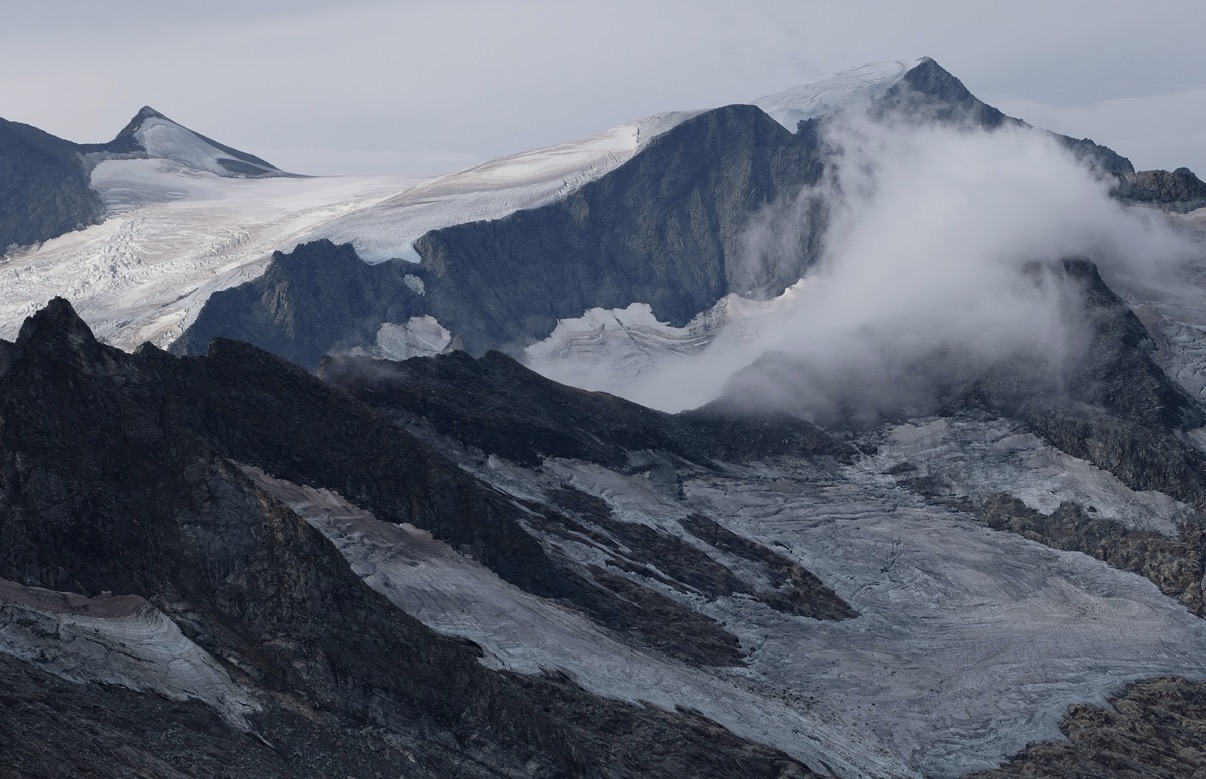
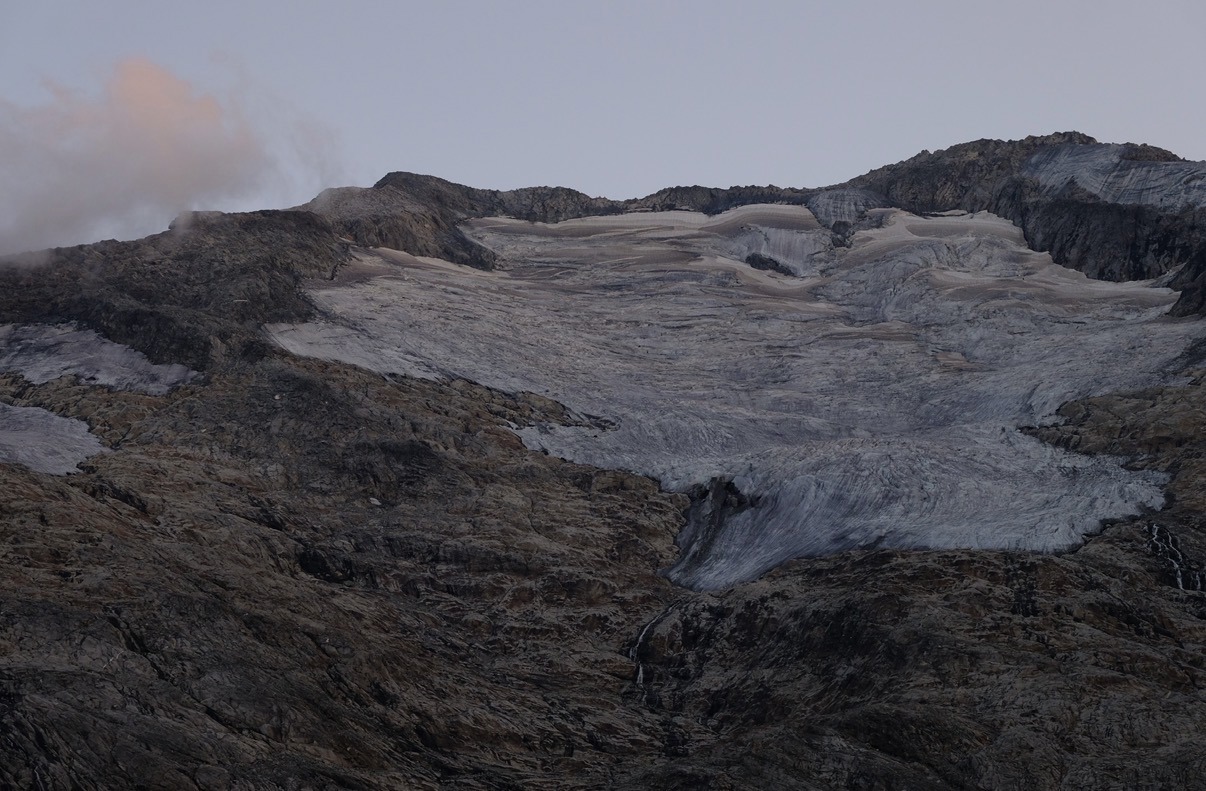
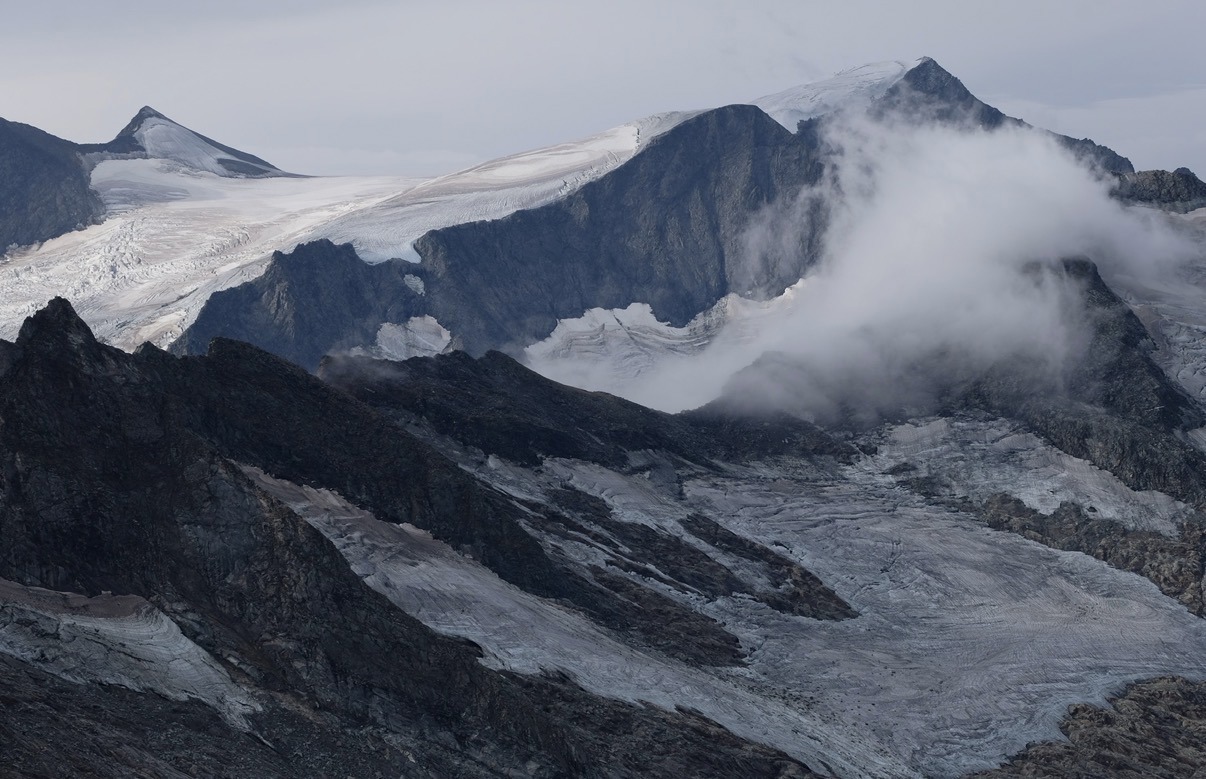
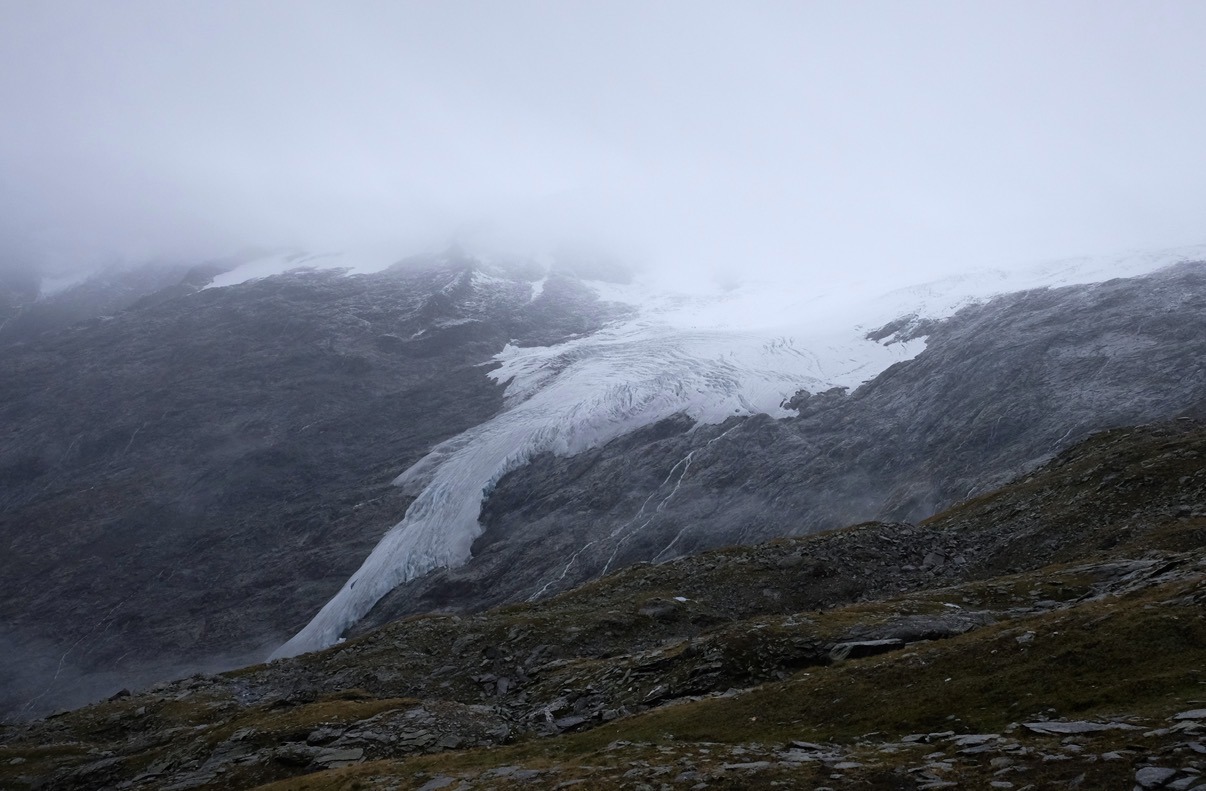
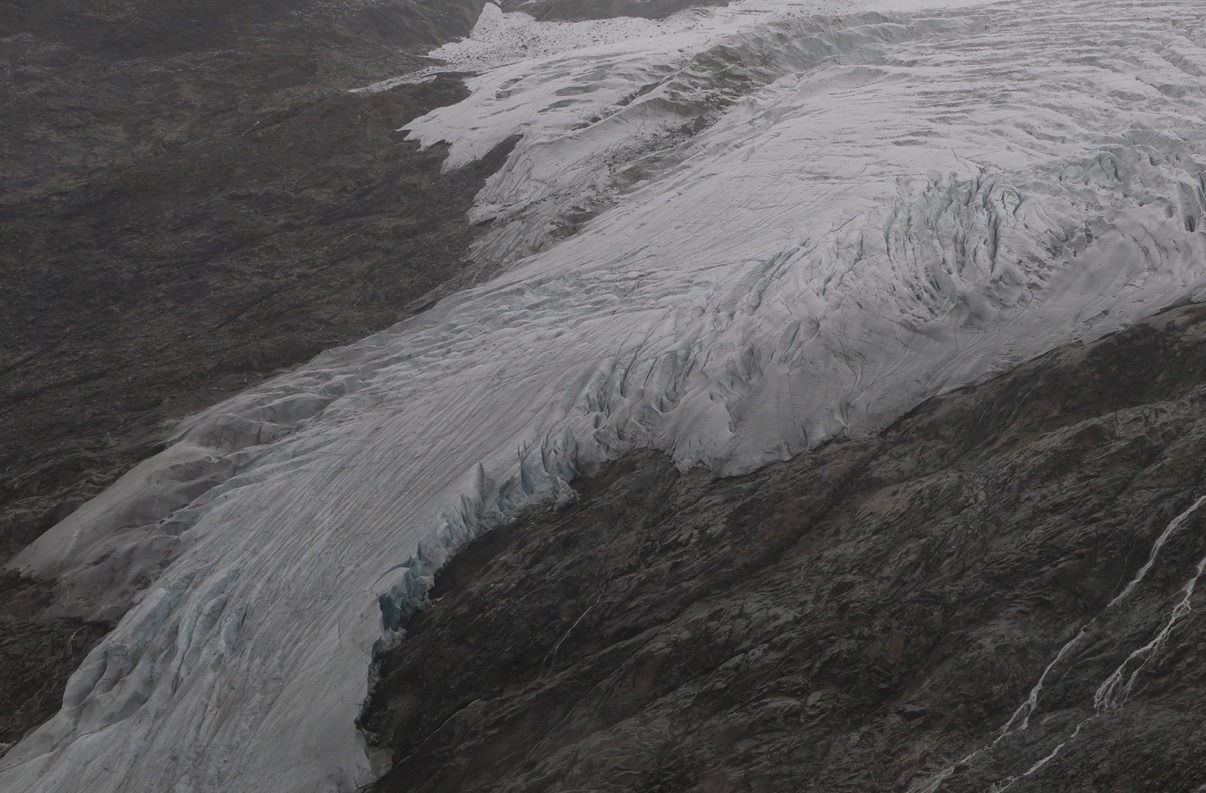
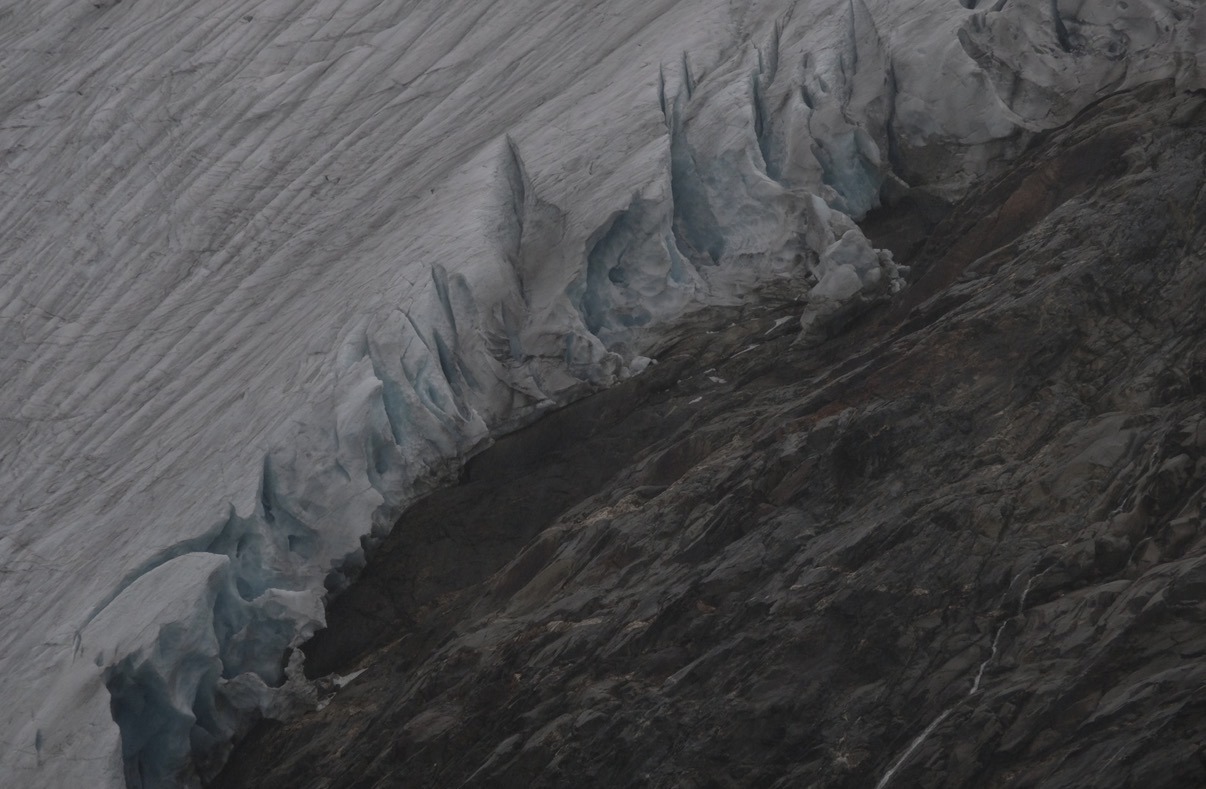
We celebrated the day's efforts with a beer, hung our wet clothes in the hut's excellent drying room and enjoyed the occasional breaks in the clouds that revealed the glacier up close. It was spectacular, although difficult not to feel a little sadness at seeing just how much these glaciers have retreated. There is an undeniable irony in travelling across the world to admire something that our own travel habits, among many other factors, contribute to putting at risk.
After another hearty three-course alpine dinner, we checked the forecast one last time. The possibility of snow overnight had us excited for the final morning.
Stage 3: Day 3: Snow, glaciers and an unexpected lift
- Distance
- 14
- Ascent
- 100
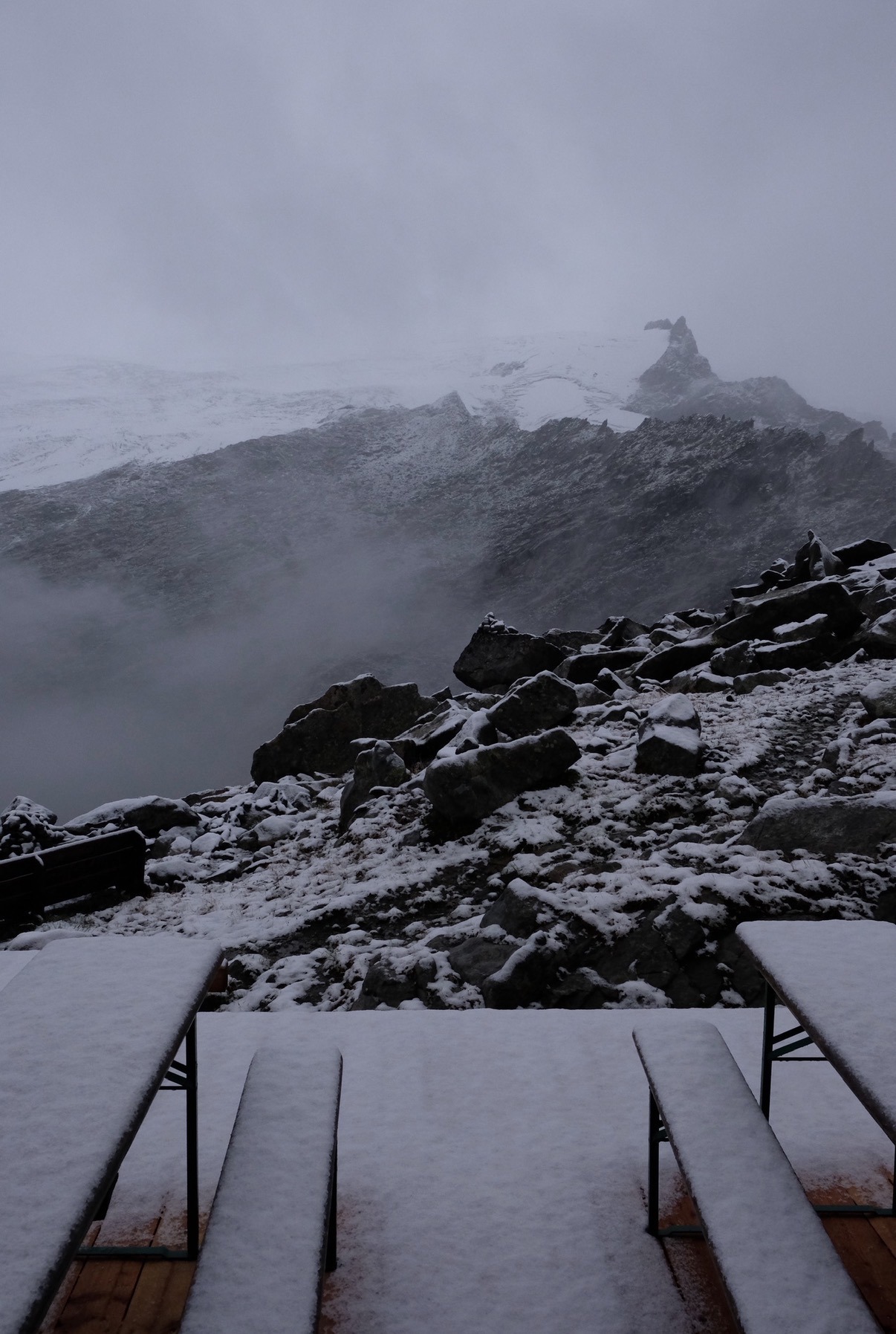
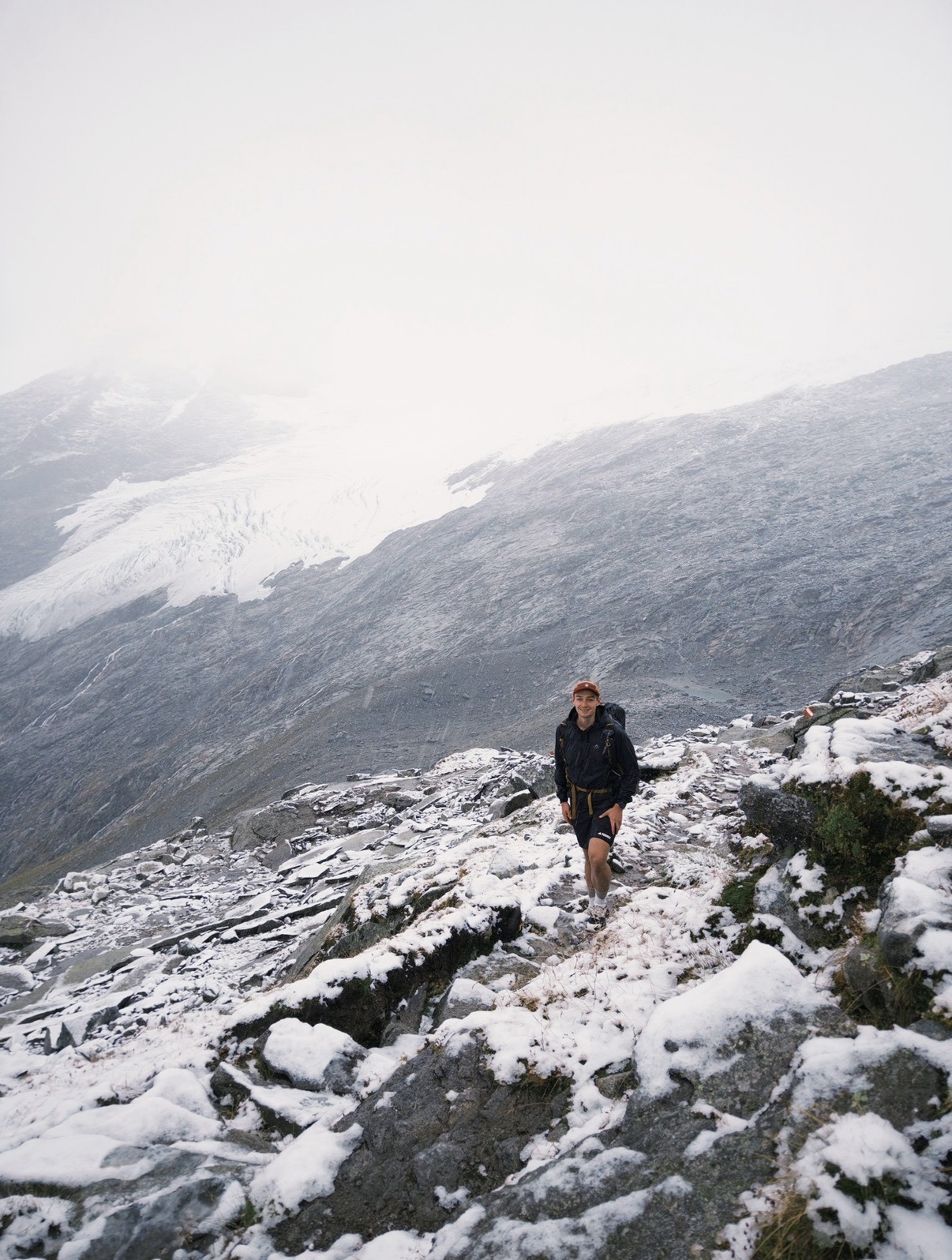
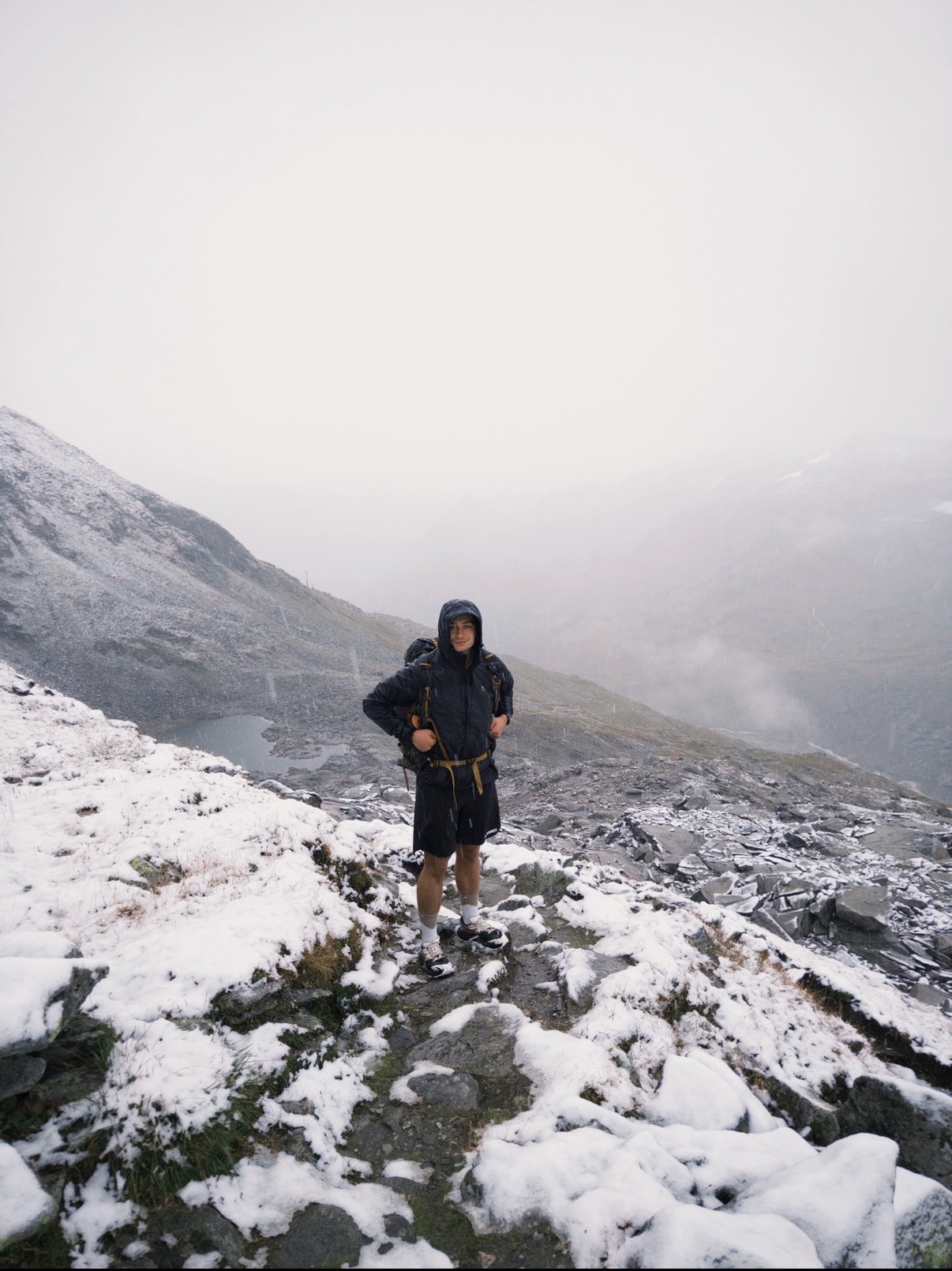
We woke to a light dusting of snow outside the hut, with a little more still falling as we ate breakfast and packed our bags. Having experienced sunshine, rain, mist and now snow over the course of the hike, we'd managed to sample a fair portion of the alpine weather in just three days. Our original plan had been to take a longer route down the mountain, but with a Champions League match waiting for us in Munich that evening, we opted for a shorter, more direct descent. We said goodbye to the hut and began making our way down, with the glacier providing a spectacular backdrop.
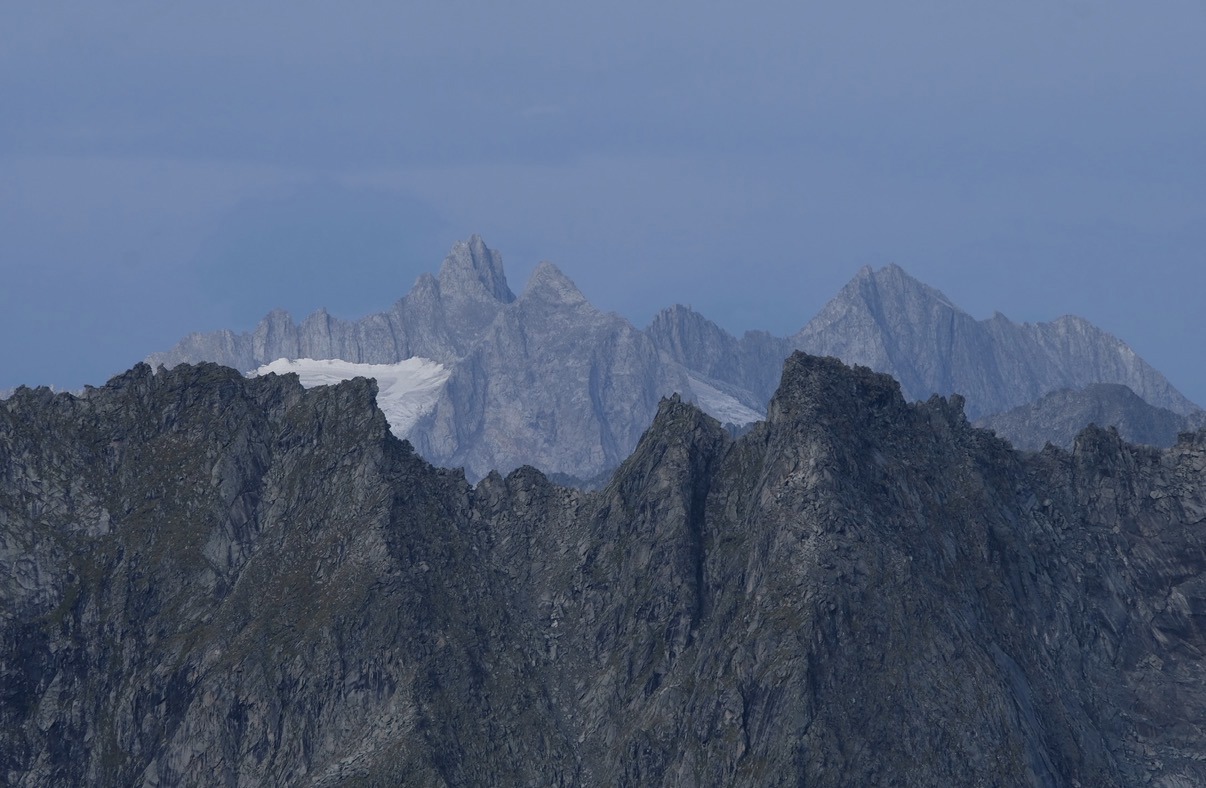
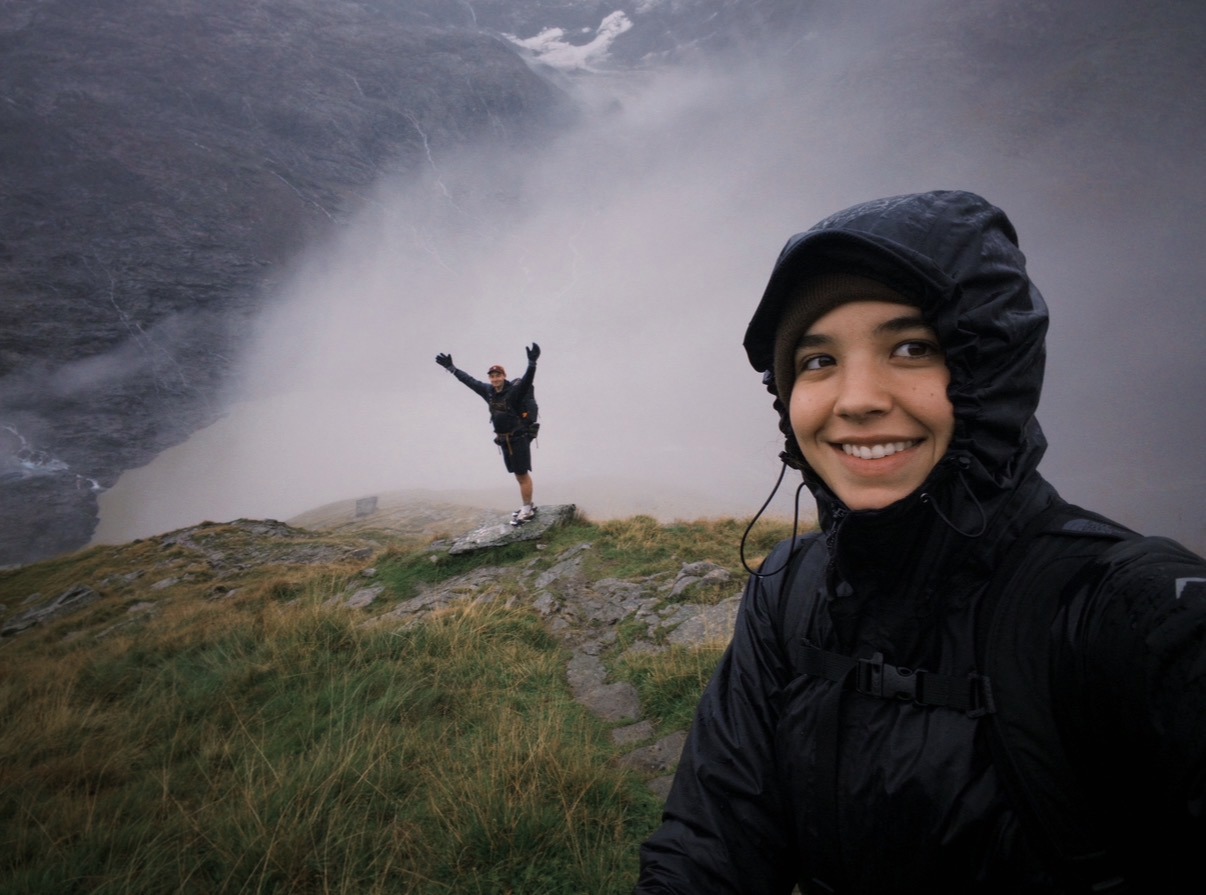
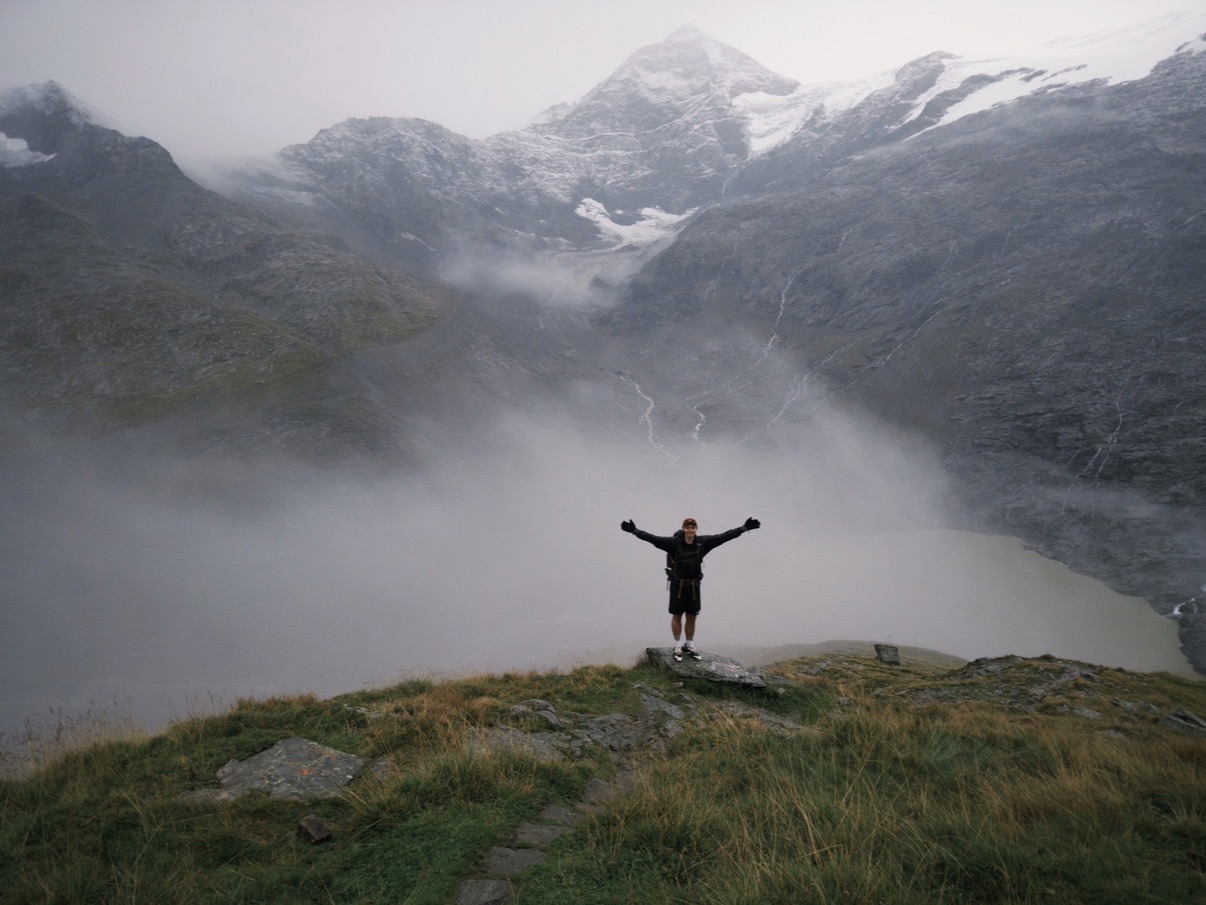
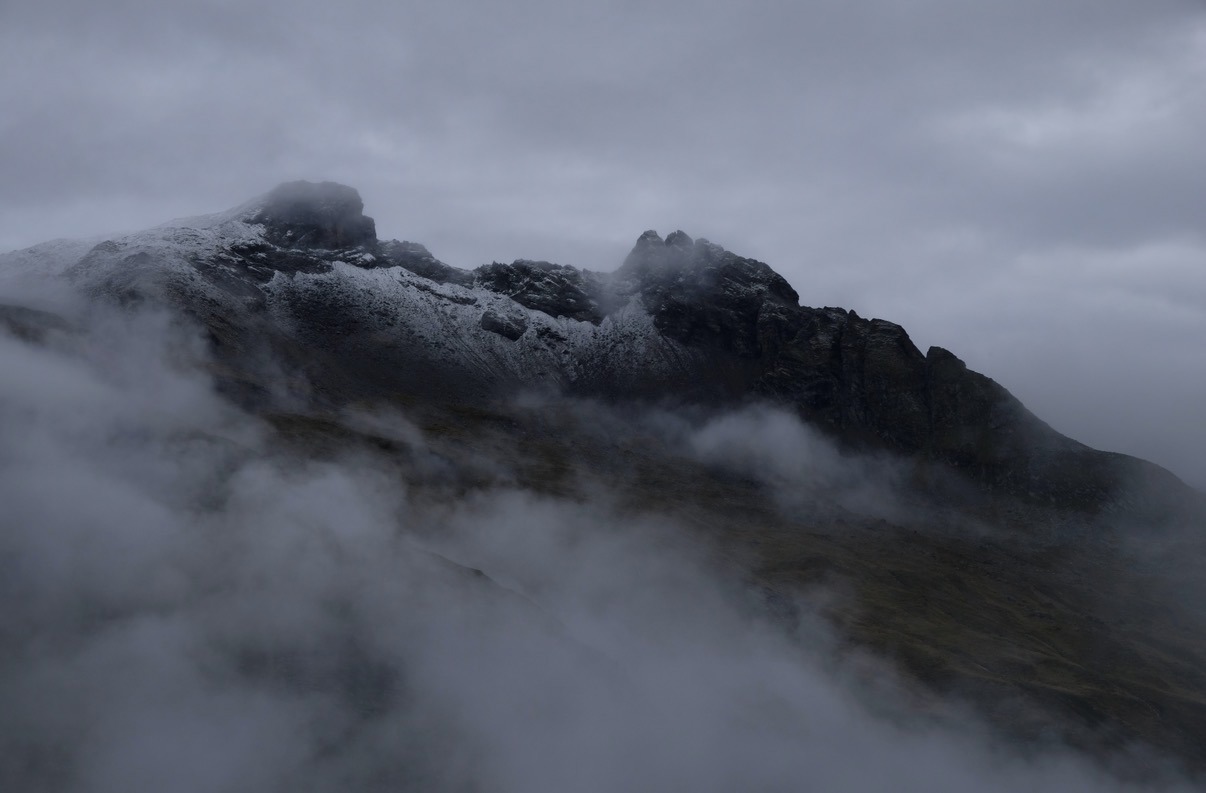
The mist drifting around the towering mountains created some beautiful scenes, softening the landscape and offering opportunities for some striking silhouette photographs. It was one of those mornings when the weather, rather than detracting from the scenery, seemed to make it even more impressive.
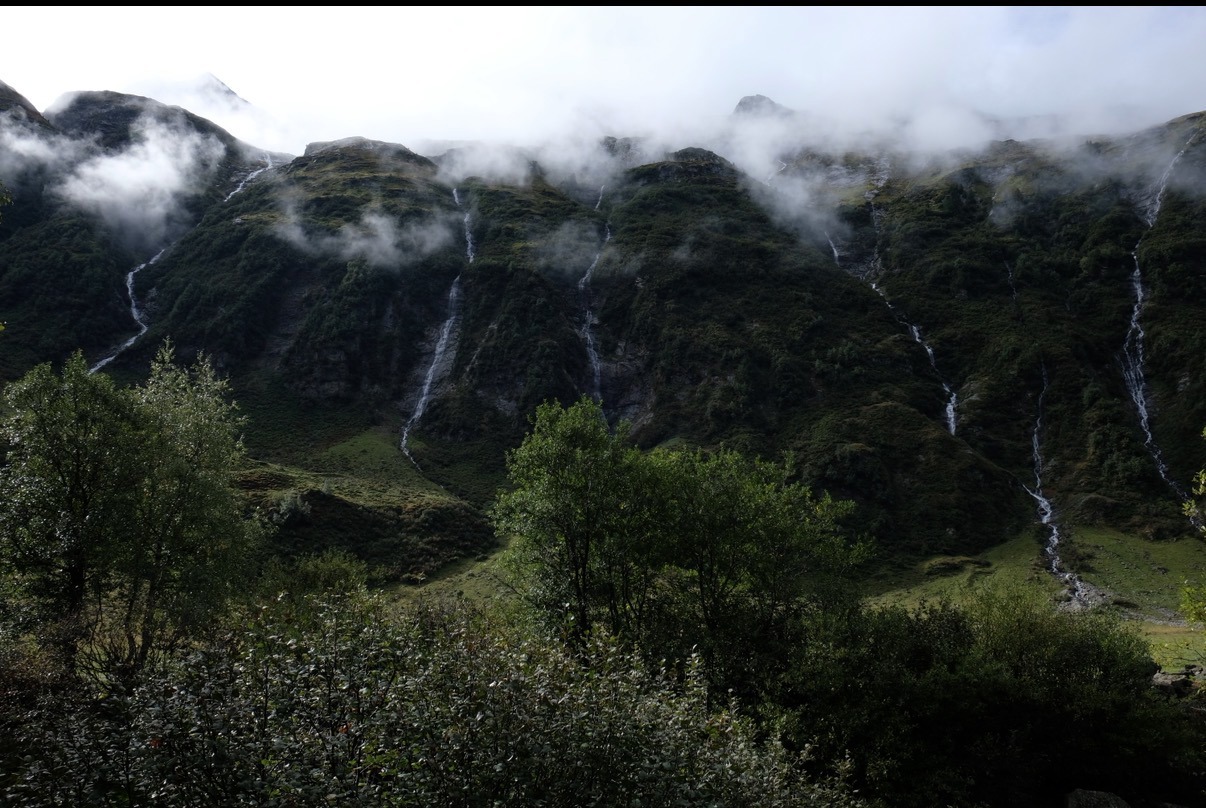
We passed the glacial lake below the slope and were struck by the fact that the glacier's tongue no longer reached it. It was a sobering reminder of how much the landscape has changed. Further down, we passed countless rushing waterfalls and streams, swollen by the fresh snow, the previous days' rain and the continual melting of the glacier.
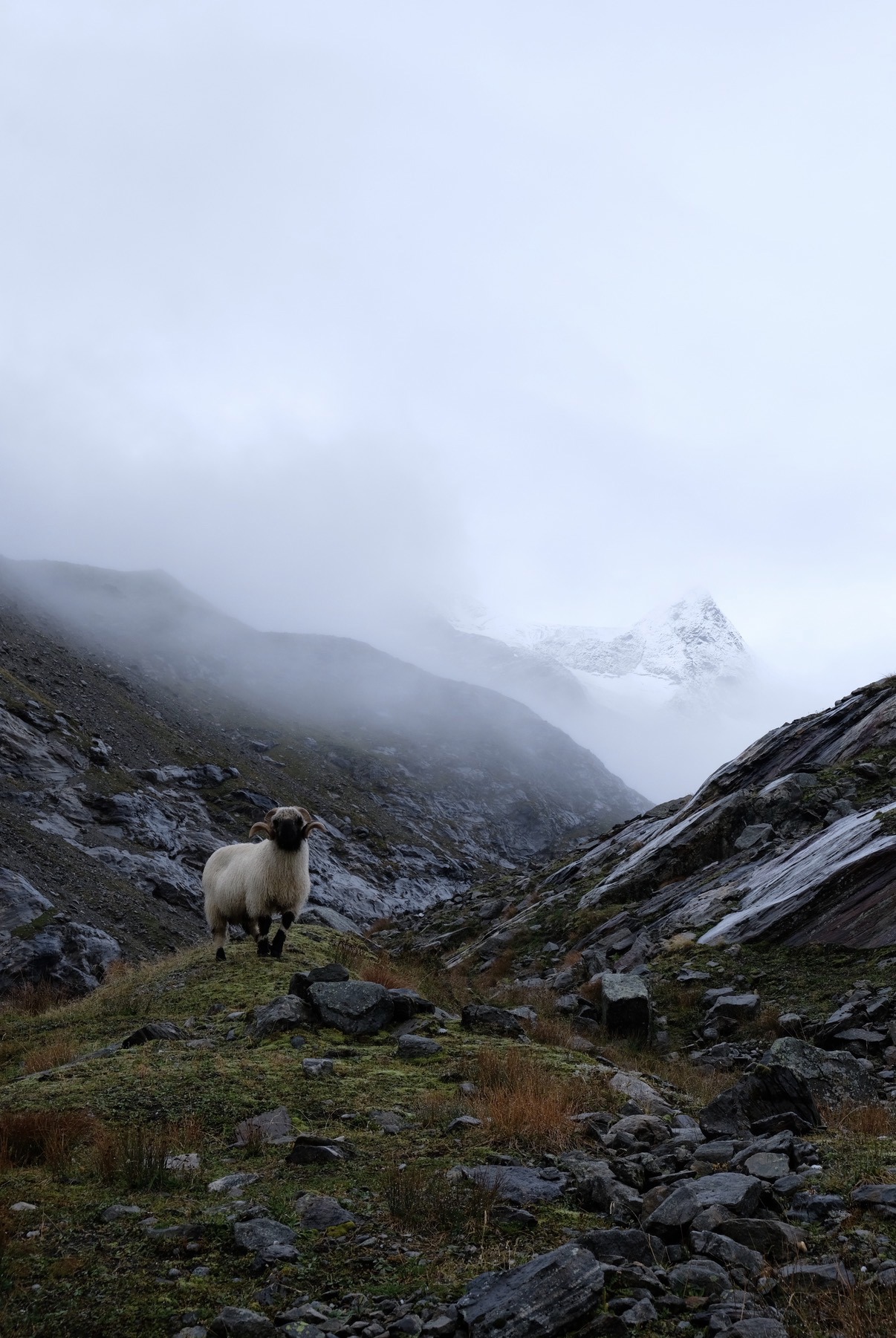
We also encountered several Valais Blacknose sheep, with their distinctive woolly coats and impressive curled horns. Seeing livestock grazing so high in the mountains, near the foot of a glacier, was a reminder of how closely human activity and agriculture are woven into even these seemingly wild landscapes. It also helped explain why water in the area isn't necessarily safe to drink untreated.
It made me appreciate the relative freedom we have in South Africa to enjoy mountain streams in certain areas, where water can often be collected and drunk with less concern. Of course, this depends on the location and conditions, but it is a privilege not to be taken for granted.
As we descended, the barren, snow-dusted upper slopes gradually gave way to lush green vegetation, little lakes and waterfalls scattered throughout the valley. It was a beautiful contrast, and we found ourselves wishing we had more time to stop, explore and perhaps even swim in some of the lakes. But with a train to catch and a football match to get to, we couldn't afford to linger for too long.
Eventually, we reached the valley floor, where we began to encounter other people again. It was a fitting reminder of what had made the previous three days so special: once we'd left the lower valleys behind, we'd had the mountains almost entirely to ourselves.
Our hike ended at a car park near the Tauern area, where we faced one final logistical challenge. Mittersill, our next destination, was only around 25 km away, but getting there by public transport meant travelling in the opposite direction first and potentially spending four hours on buses. A taxi was another option, but at around R3,500, it was an expensive way to cover such a short distance.
My preferred solution had been to hitchhike through the tunnel connecting the two sides of the mountain. Surely, I reasoned, most people travelling in our direction would have to pass through the town we needed to reach. How difficult could it be?
As it turned out, slightly more difficult than expected. Traffic was travelling on the opposite side of the road, leaving nowhere obvious for cars to pull over. There also seemed to be fewer vehicles heading in our direction than I'd anticipated.
After several attempts, and a little debate between us about whether this was really a good idea, I spotted a hippy van approaching and decided it was our best chance. I flagged the driver down, making sure he saw us, and watched as he braked and turned sharply onto our road to pick us up.
Now came the second part of the equation: deciding whether we felt comfortable getting in. As South Africans, we're understandably cautious about hitchhiking, and this was unfamiliar territory for both of us. Fortunately, the driver was a friendly young guy who had hitchhiked extensively himself and was more than happy to help. He was actually surprised we'd only been waiting about 20 minutes, explaining that he'd often waited much longer when hitchhiking himself.
And just like that, we had our lift. We were spared a potentially very long wait, an expensive taxi ride or a rather complicated public transport journey. More importantly, we made it back in time for our train and, thankfully, the Champions League match in Munich.
Closing thoughts
Looking back, this was a relatively short adventure, but one that delivered far more than we'd hoped for. The route was beautiful throughout, with natural, rugged trails once we left the valley floor. The huts were comfortable and welcoming, yet sufficiently spread out to preserve a sense of remoteness. Compared with the Dolomites, there were fewer huts and far less infrastructure dominating the landscape. No ski lifts or cable cars transporting people straight into the mountains, just the trails, the weather and the effort required to get there.
I wish we'd had another day or two to explore, but this was all work would allow. For Lisah, it was also an introduction to multi-day hiking, and a pretty memorable one at that. We experienced sunshine, rain, mist and snow, enjoyed the comforts of alpine huts, and had just enough uncertainty and discomfort to remind us that we were somewhere wild.
We finished with empty pockets but full hearts, already thinking about the next adventure. The trip reinforced my desire to seek out places that offer a little more solitude, a little less infrastructure and the chance to experience nature on its own terms.
But it also reminded me of the beauty we have back home, much of which is right on our doorstep. It's easy to spend time and money travelling across the world in search of incredible landscapes, only to forget that South Africa has some pretty extraordinary places of its own. We should make more of an effort to explore them, appreciate them and protect them.
Work will always be there. The emails will keep coming, and there will always be another deadline to meet. But opportunities to get out into the mountains, challenge ourselves and experience places like this are worth making time